Meaningful Iceland, budget reality check
The first time I priced out Iceland for a 5–8 day loop, the numbers got loud fast: a place that looks like “free nature” on photos turns into fuel, parking, and a steady drip of small fees the moment you actually try to move through it. That’s the reality check—before you even argue with yourself about hostels versus a campervan or whether tours will save you stress (they do) or money (usually not).
What helped was treating the budget like a set of trade-offs instead of a moral test. A cheap flight doesn’t matter if you burn a day backtracking because the weather shuts down a road, and the “lowest” lodging option stops being cheap when it pushes you into a long nightly drive. Iceland can still feel meaningful on a tight plan, but only if you accept constraints upfront: fewer regions, fewer restaurant meals, and one or two paid anchors you’ll remember more than a stack of rushed stops.
Pick your meaning: nature, culture, solitude
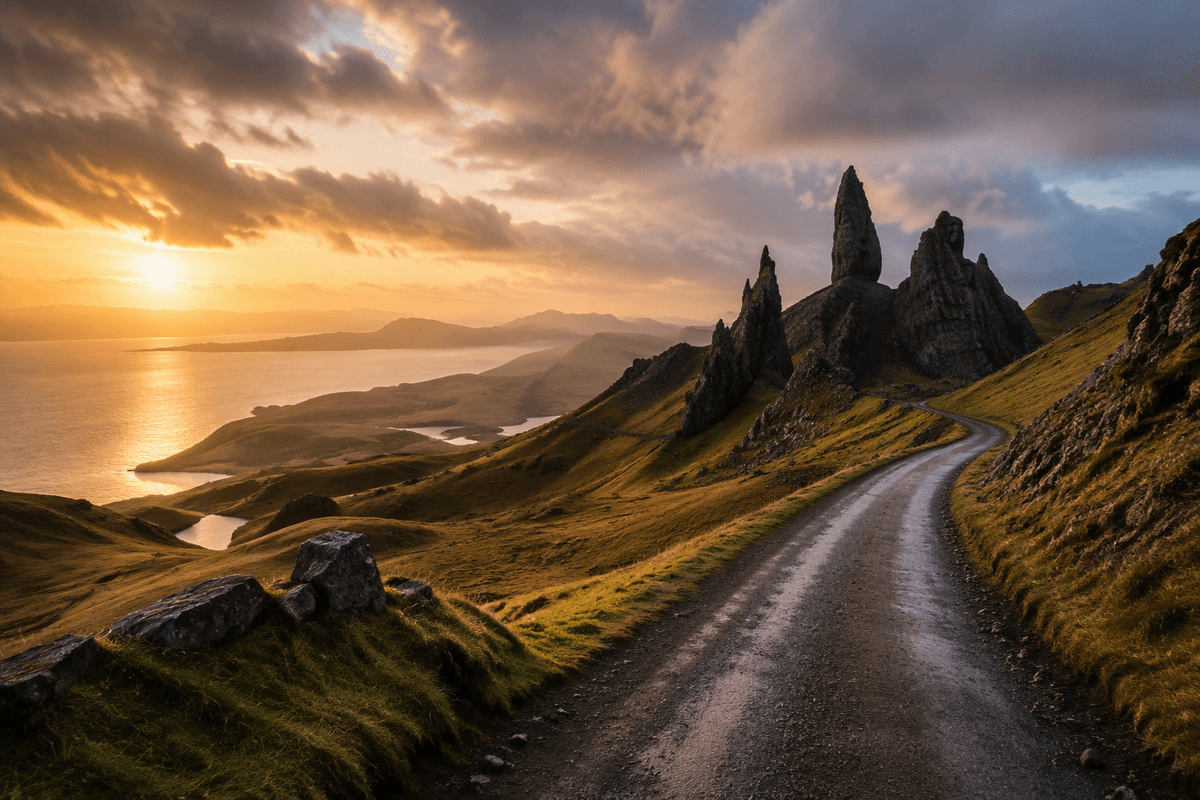
The next decision isn’t “Ring Road or bust,” it’s what kind of meaning you’re actually buying with your time. If it’s nature, lean into stops that don’t require tickets: short hikes, roadside waterfalls, black-sand stretches, and hot water you can’t believe is real. The friction is that “free” still costs fuel and daylight, and the most photogenic pullouts can quietly add parking fees and crowds.
If it’s culture, plan fewer miles and more towns: a museum or two, a public pool, a slow café hour you budget for on purpose. Solitude is the trickiest on a tight trip—privacy usually costs money—so aim for early mornings, shoulder-hour walks, and one remote night where the drive is shorter than your expectations. That’s where Iceland starts to feel like yours.
Timing and routes that cut costs most
I hesitated over the calendar more than the plane ticket, because Iceland’s cheapest days can also be the ones that strand you. Shoulder season (late spring or early fall) is the sweet spot when you want lower prices without betting the whole trip on winter road luck—but you pay in wind, fickle rain, and the occasional “not today” hike when visibility tanks.
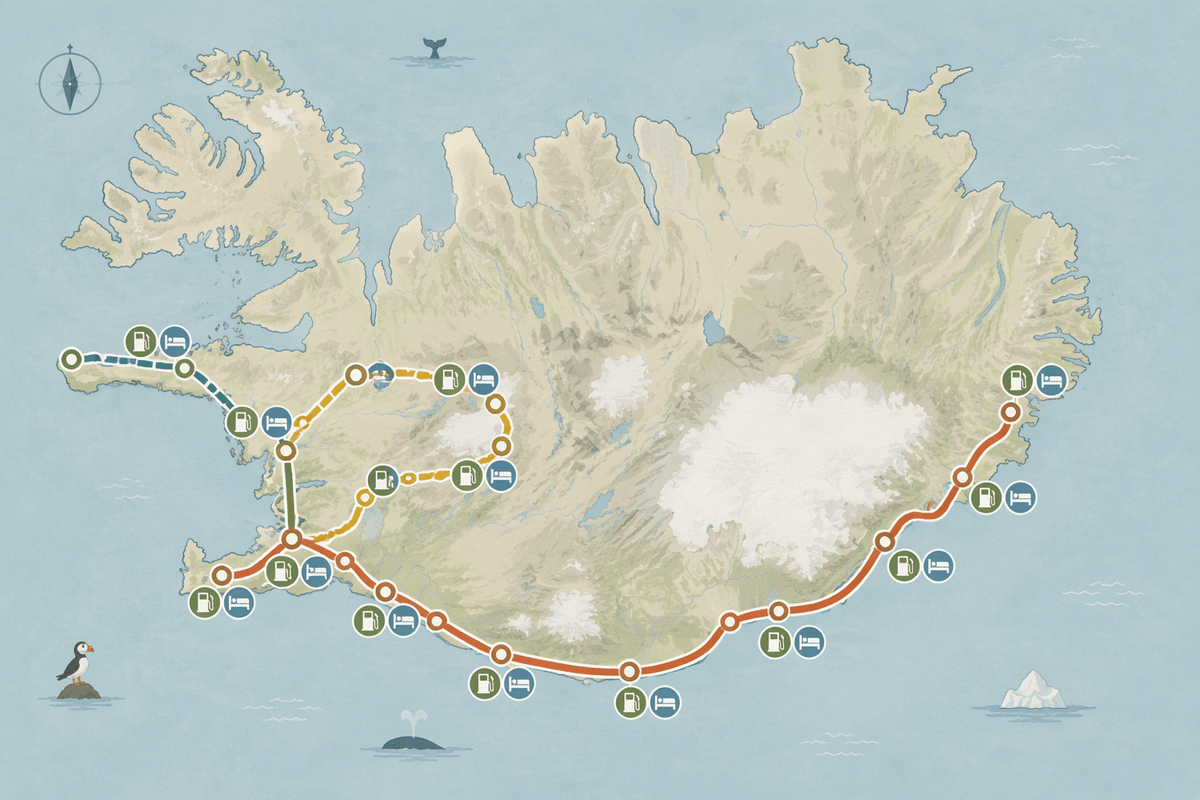
Route is where budgets quietly win or lose. For 5–8 days, the money-saving move is usually not the full Ring Road; it’s a tight South Coast focus with one add-on (Golden Circle or Snæfellsnes) instead of a loop that forces long drives and pricier, scarce beds. Every extra peninsula is fuel, fatigue, and fewer grocery resets. If you’re torn between Reykjavík as a base versus moving nightly, price it in hours: day-tripping saves packing friction, but repeated out-and-back driving can erase the savings fast.
Sleep, eat, move: cheapest workable options
The first night I tried to “solve” Iceland cheaply, I got stuck between two bad deals: a hostel bed that was affordable but far from where I wanted to start at sunrise, and a private room that cost more than my day’s activities. The workable compromise, if you’re doing 5–8 days, is to accept dorms or simple guesthouses as your baseline and spend your energy minimizing reposition drives. One long, late drive to chase a bargain bed sounds smart until wind and darkness make it slow, and you roll in too tired to enjoy the next morning.
Food is where budgets actually behave—if you let them. Groceries plus a few “intentional” bought meals beat death-by-snacks at gas stations. The constraint is that self-catering only works if your lodging has a real kitchen (and you’re not arriving at 10 p.m. with nothing open). I plan one grocery run every two days, keep breakfast boring, and save my splurge appetite for a single warm meal when the weather turns rude.
Getting around is the sharpest trade-off: bus tours reduce stress, but they price in convenience; self-drive gives you control, but you pay in fuel, parking, and attention. Campervans look like a lodging hack, yet campsites, showers, and bad sleep in high wind can erase the “savings.” If you’re cost-led, a small car plus hostels usually wins—unless your real goal is flexibility, not comfort.
Free and low-cost experiences that feel epic
I started to understand how to travel Iceland on a budget when I stopped spending money on things that added little to the experience. Many of the most memorable stops required nothing more than a short walk and a good sense of timing. Visiting Seljalandsfoss at sunrise, before the tour buses arrive, offered a quieter experience, while Skógafoss provided an impressive view from the top of its free staircase. Arriving early also meant less time dealing with busy parking areas and crowds, leaving more room to enjoy each place.
Hiking offers some of the best value in Iceland, although weather and trail conditions deserve careful attention. Reynisfjara, for example, has a dramatic coastal landscape, but strong winds and slippery surfaces may leave little opportunity for a comfortable walk. I found it more practical to keep several shorter routes in mind rather than commit the entire day to one long hike. Visiting a waterfall, a beach, and a viewpoint provided enough variety, while leaving the rest of the schedule open for whatever the weather allowed.
Public swimming pools were another worthwhile addition, particularly after hours on the road in cold, wet conditions. Entry fees still add to the daily budget, but local pools offer an affordable way to experience an everyday part of Icelandic life without paying for an organized excursion. Saving money does not mean avoiding every paid attraction. Pick one experience that genuinely interests you, then leave the remaining days open for scenic walks, early-morning visits, and unplanned stops. In Iceland, some of the most rewarding moments come from spending time in the landscape rather than paying to access another attraction.
Where to splurge once for maximum impact

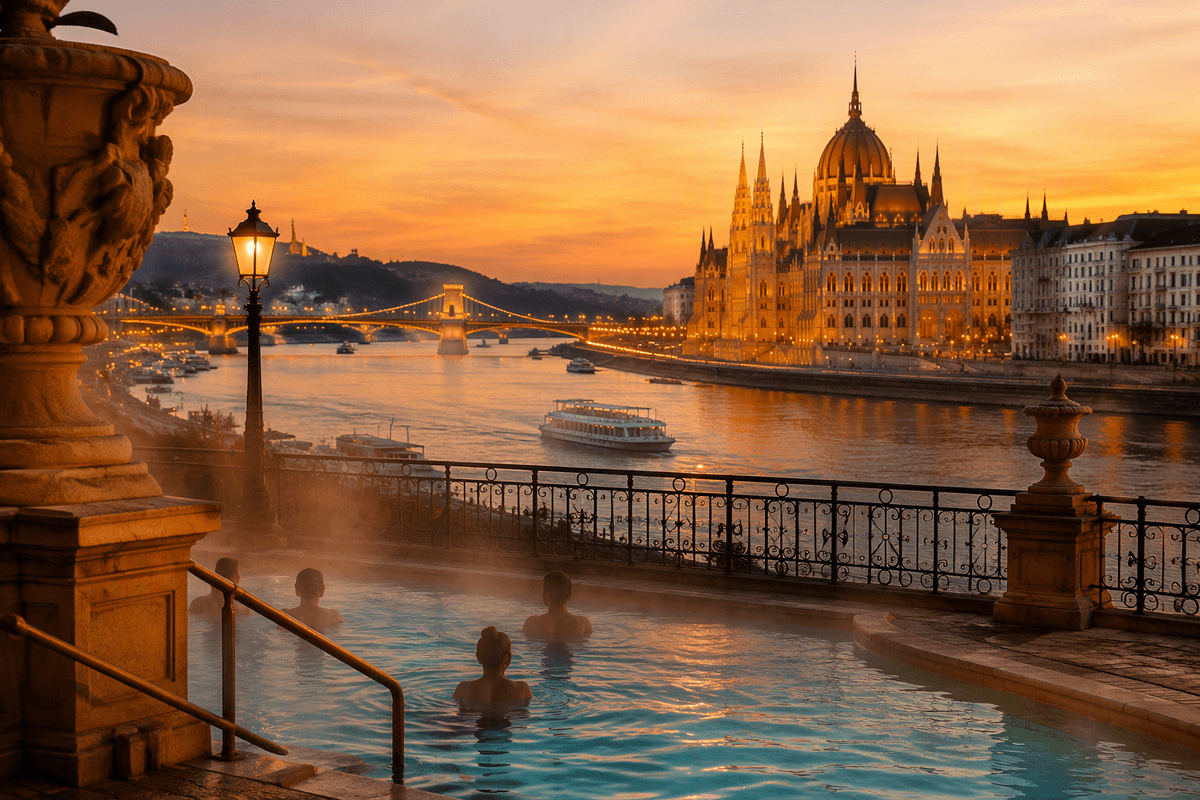
The one splurge that consistently felt “worth it” wasn’t another waterfall stop—it was buying access to a place that changes the day: a proper geothermal soak. If you’re already doing public pools, this is the upgrade, not a replacement. It’s expensive for a tight budget, and the friction is real (timed entry, transit if you don’t have a car, and the temptation to pad it with extras), but it delivers something free nature can’t: two slow, warm hours that reset your body after wind and driving.
I’d rather pay once for that reset than sprinkle money across small “maybe” add-ons—extra museums when you’re already tired, paid viewpoints that look suspiciously like the roadside pullouts, or a second fancy meal that disappears as soon as you’re cold again. Book the soak for a day when the weather is ugly or your legs are shot; that’s when the trade-off flips and the cost buys you momentum for the rest of the trip.
Leaving satisfied: trade-offs, mindset, and takeaways
The last day is where my budget brain always tries to “squeeze in one more thing,” and Iceland is happy to punish that impulse with wind, slow roads, and a parking lot that’s inexplicably full. Leaving satisfied usually meant choosing a clean exit: one final short stop close to my route back, then committing to the airport drive early enough that I wasn’t negotiating with fatigue.
The mindset shift that made the trip feel special wasn’t pretending it was cheap—it was being deliberate about what I paid for. I saved by repeating a few habits (groceries, early starts, fewer regions) and spent on one anchor that changed my energy. Everything else was a trade: privacy versus price (hostel dorms), flexibility versus attention (self-drive), and mileage versus meaning (shorter days that actually had room to breathe). If you leave wishing you’d done less, not more, you probably planned it right.