Budapest in four days: baths, views, and old-world streets
On our first planning pass, we kept trying to “optimize” Budapest like it was a museum marathon—until we noticed how quickly the city punishes overbooking: a long bath session can wipe out your appetite for hills, and an ambitious Buda-to-Pest zigzag burns time in transit that looks short on a map but feels longer on tired legs.
This four-day rhythm leans into what Budapest does best: one big anchor each morning, one flexible afternoon that stays walkable, and one evening that doesn’t require a full reset. The constraint is crowds—especially at the headline baths and the most-photographed viewpoints—so the plan nudges you toward early slots when it matters, then gives you permission to drift when it doesn’t.
You’ll still see the postcard Danube views and the old-world streets, but grouped so you’re not climbing Castle Hill the same day you’re waterlogged from a long soak. It’s mid-range-friendly, too: mostly walking and transit, with a few paid “effort savers” (like the funicular) only when they actually buy you time.
Day 1 Buda Castle Hill — M: Fisherman’s Bastion; O: funicular; S: museums
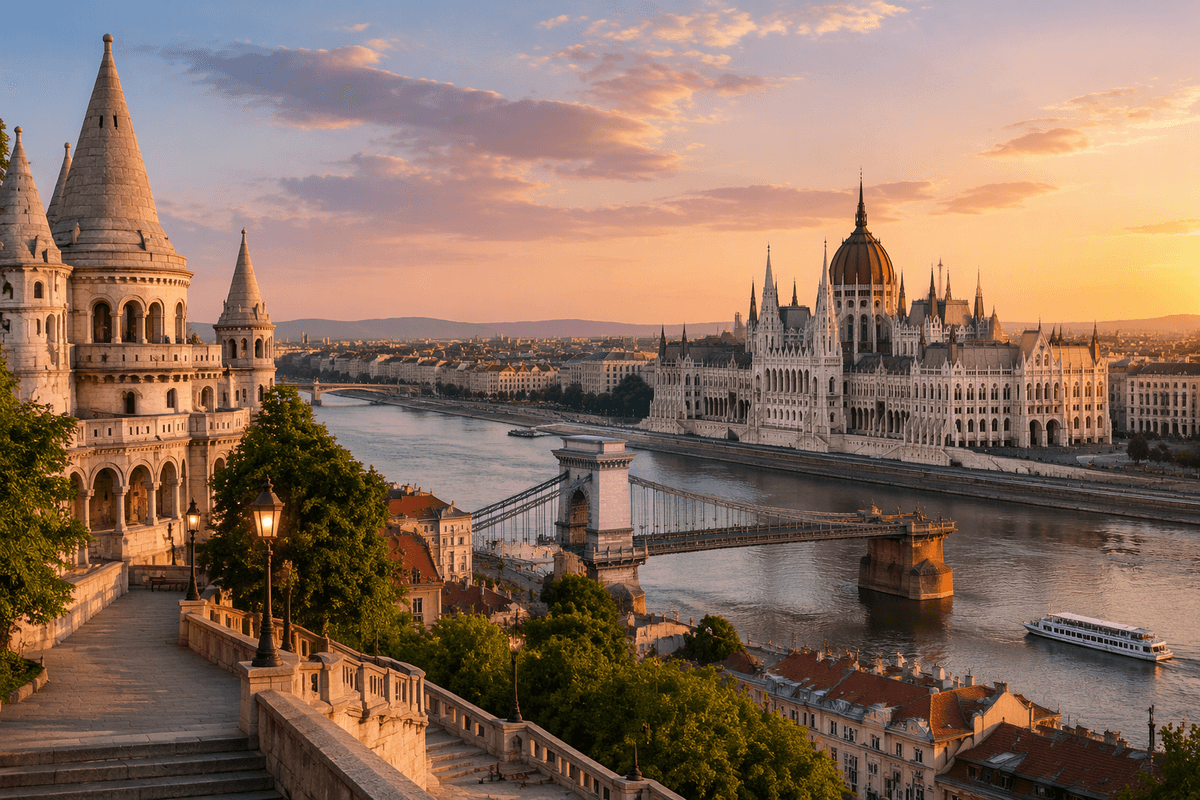
We set an alarm we didn’t fully believe we’d keep—because Fisherman’s Bastion is one of those places that looks “quick” on an itinerary and then quietly eats your whole morning once the crowds arrive. Going early is the difference between a calm first look at the Danube and a slow shuffle behind tripods. If you’re staying in Pest, budget more time than you think for simply getting across the river and up the hill; it’s not difficult, but it’s easy to lose 30–40 minutes to indecision at the base of Castle Hill.
Start with the Bastion and Matthias Church area while your legs (and patience) are fresh. The free terraces are usually enough for most people; paying to go higher can be worth it if you’re chasing uninterrupted photos, but it’s not a must if you’d rather put that money toward a nicer lunch. From there, let the streets do the work: wandering the Castle District is rewarding, but it’s also where your “just one more viewpoint” habit can snowball—pick one long loop, then stop at a café before you start treating the hill like a scavenger hunt.
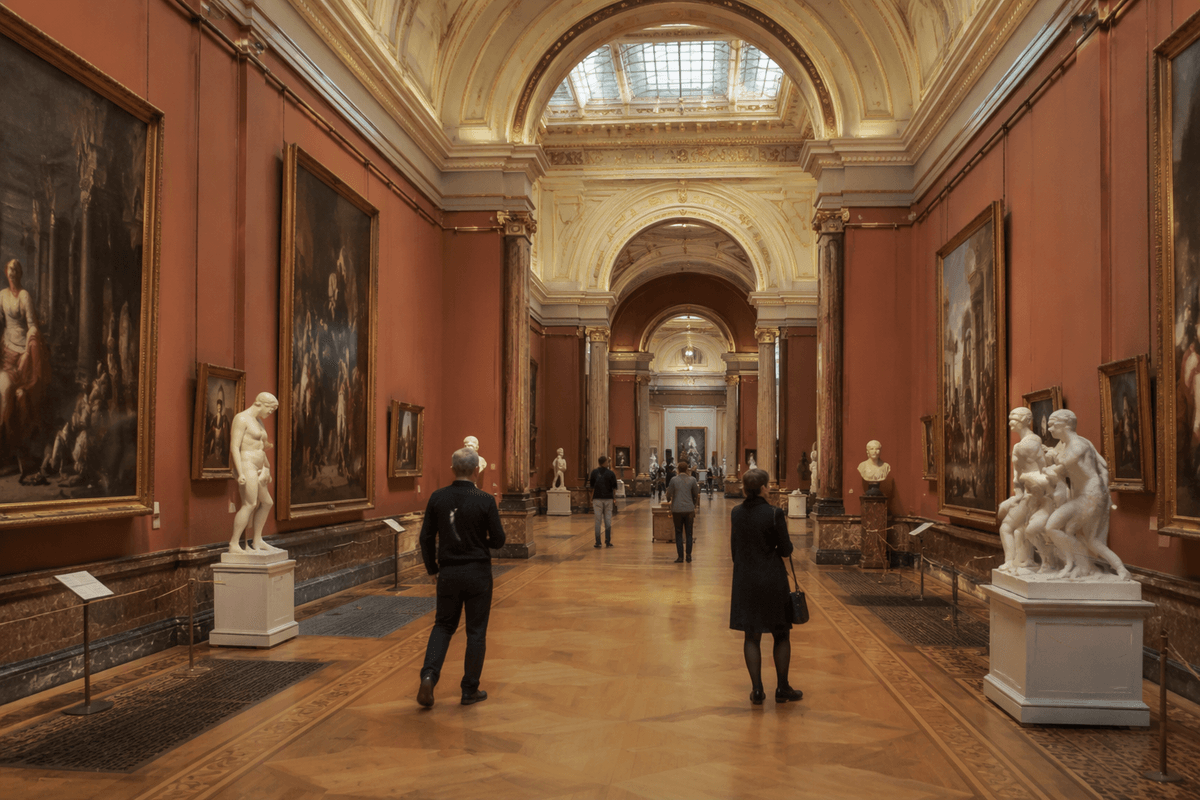
For the afternoon, decide whether the funicular is a time-saver or a bottleneck. It’s efficient when the line is short; when it isn’t, walking down (or taking a bus) is faster and less annoying. Museums fit well here because they’re predictable and weather-proof, but they’ll flatten your energy if you stack too many—choose one anchor (National Gallery or the Budapest History Museum) and keep the rest as optional, especially if you want a relaxed dinner without feeling like you “earned” it through fatigue.
Day 2 Thermal classic — M: Széchenyi; O: City Park stroll; S: zoo
We hesitated about putting Széchenyi on Day 2 because it’s the obvious pick—and obvious in Budapest usually means crowds. But doing it early, before you’re tired of navigating and before your legs start bargaining for “one less hill,” made it feel like a feature rather than a compromise. Aim to arrive around opening on a weekday if you can; showing up late morning is when the place shifts from restorative to social, and it becomes harder to find a quiet corner without feeling like you’re in someone else’s photos.
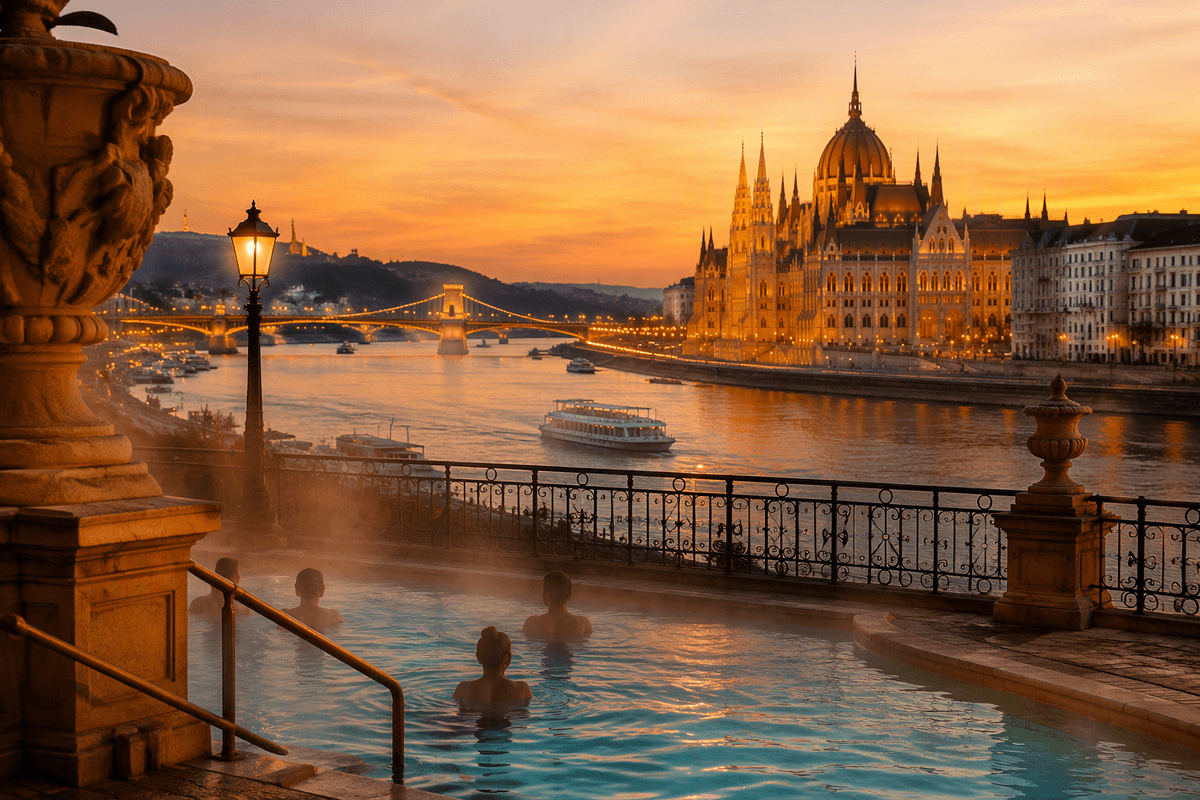
Inside, the decision that actually matters is cabins versus lockers. Cabins cost more, but if you’re a couple carrying a day bag (and you want to change without doing the towel-juggle in a busy corridor), they’re worth it. The outdoor pools are the headline, yet they’re also where you’ll feel weather most: on a cool day, the dash between pools is bracing; on a hot day, the water can feel less “spa” and more “warm swim.” Either way, you’ll want sandals—wet tiles plus crowds is not the moment for optimism.
When you’re done soaking, City Park works best as a decompression walk, not another checklist. It’s flat, easy, and forgiving if you’re moving slower post-bath, but it can also swallow more time than you expect if you drift. The zoo is a good evening option if you still have energy and the weather cooperates; if you’re fading, skip it guilt-free and turn that time into a long café stop instead—this is the day where downtime is the point.
Day 3 Danube + Pest core — M: Parliament at dusk; O: ruin bars; S: shopping
We kept Day 3 intentionally “flat” after two days of steps and steam, and that meant committing to Pest without bouncing back and forth over the Danube. The morning worked best as a long, unhurried walk through the core—easy on the legs, easy to pause for coffee—but it’s also where you can quietly lose an hour to indecision if you don’t pick a spine (we used the Danube-side promenade as our north–south line). If you’re tempted to add a detour to Margaret Island or a museum, do it only if the weather is perfect; otherwise you’ll end up arriving to your evening plan already a little drained.
Parliament is the anchor, but the timing is the whole point: dusk gives you that “lit city” feeling without committing to a full night program. The catch is that it’s popular at exactly the same hour you want it, so if you’re doing an interior visit, reservations matter; if you’re only doing the exterior and photos, you still want a buffer for crowds and security zones that can make the area feel more controlled than you expect. We found it more satisfying to treat the riverside as the experience—slow walk, long look, minimal rushing—than to force a tight schedule around a single viewpoint.
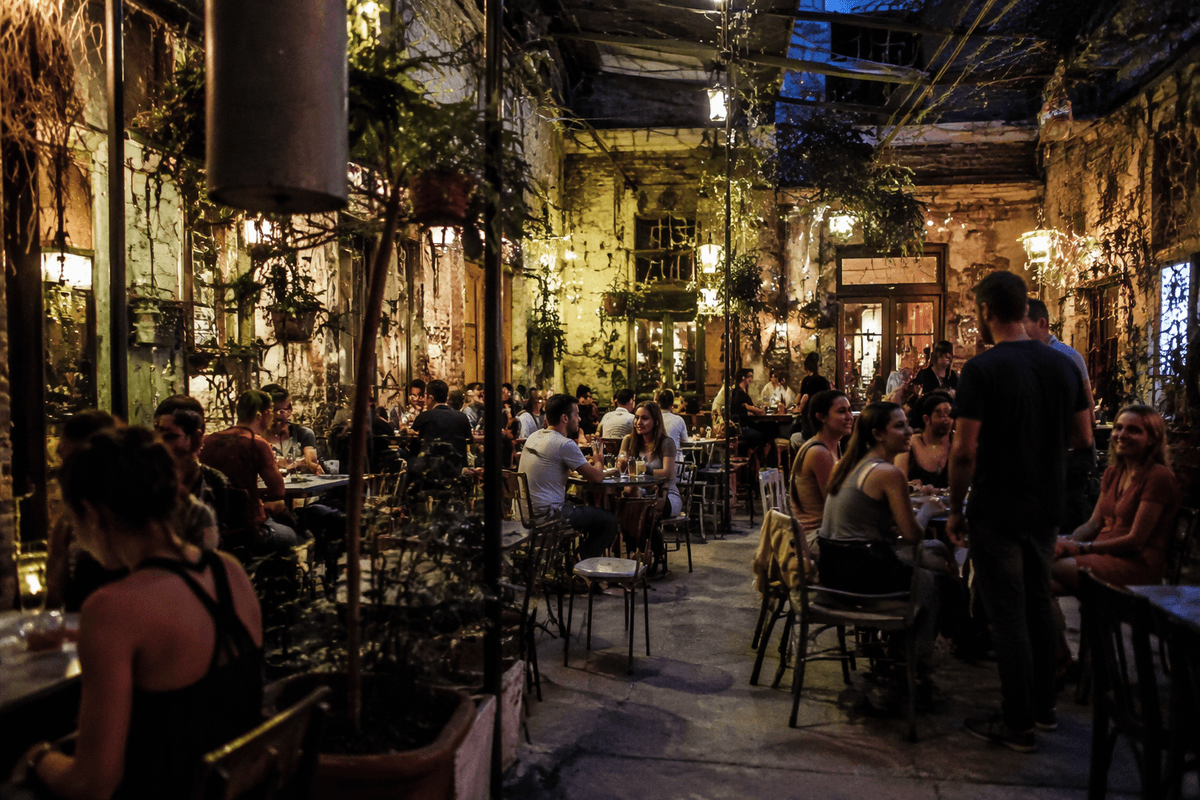
Later, ruin bars are the classic “should we?” for couples: fun atmosphere, but also loud fast, and it’s easy to stay longer than you meant to because leaving feels like admitting you’re tired. Going early evening kept it social without turning the night into a stamina test. If you still want shopping, slot it before sunset—stores and energy both drop off after you’ve been on your feet all day, and nothing makes a souvenir feel pointless like buying it when you’re already half-thinking about your next chair.
Day 4 Historic streets + soak — M: Gellért; O: Great Market Hall; S: extra bridges
By Day 4, we were finally honest about what we wanted: one more “beautiful” bath, but without the scale (and noise) of Széchenyi. Gellért fit that mood—more indoor, more architectural, more like you’re renting an hour of old-world calm. The catch is that it’s not a secret, and it can feel busy in a tighter, echo-y way than the outdoor mega-baths. We went earlier rather than trying to “drop in” mid-afternoon, because once you’re tired and damp and waiting your turn for space, the whole spa logic starts to collapse. If you’re choosing between lingering in the thermal pools and sampling every room, pick lingering; the experience improves when you stop optimizing.
From there, Great Market Hall is close enough to be practical, but only if you accept it as a controlled chaos stop, not a leisurely browse. It works best for a specific mission—paprika, a small edible souvenir, a quick lunch—because the center aisles clog fast and the upstairs stalls can feel like a slow-moving queue with souvenirs on both sides. If you’re hungry and picky, you’ll spend more time searching than eating; if you’re hungry and flexible, you’ll be fed in minutes.
In the evening, “extra bridges” sounds like a bonus until your legs disagree. We found it most satisfying to choose one crossing with purpose—Liberty Bridge for a shorter, more direct loop, or Chain Bridge if you want the iconic frame—and then let yourselves bail to transit if the wind picks up or you’ve simply hit your step limit. Budapest is generous with views, but they land best when you’re not marching for them.
Leaving Budapest: choose your favorite rhythm, not every checklist
On our last morning, the only real question was whether to squeeze in “one more” viewpoint or protect a calm exit—and we chose calm. Budapest punishes last-minute ambition with small frictions: a tram that’s five minutes late, a café line that’s suddenly long, a bag that feels heavier than it did four days ago. If you’ve already done one big bath and one big Danube moment, repeating them doesn’t double the payoff; it just compresses your margins.
The better move is to name your preferred rhythm and lean into it: if you liked early starts, do a short sunrise river walk and leave by late morning; if you liked slower days, claim a final café hour and accept that you’re skipping a “famous” stop on purpose. We found it helpful to leave one flexible block unbooked on departure day—because the city is easy to love, but it’s also easy to over-schedule right up until the moment you have to drag suitcases over cobblestones.