Why Solo Travel Feels Uncomfortable at First
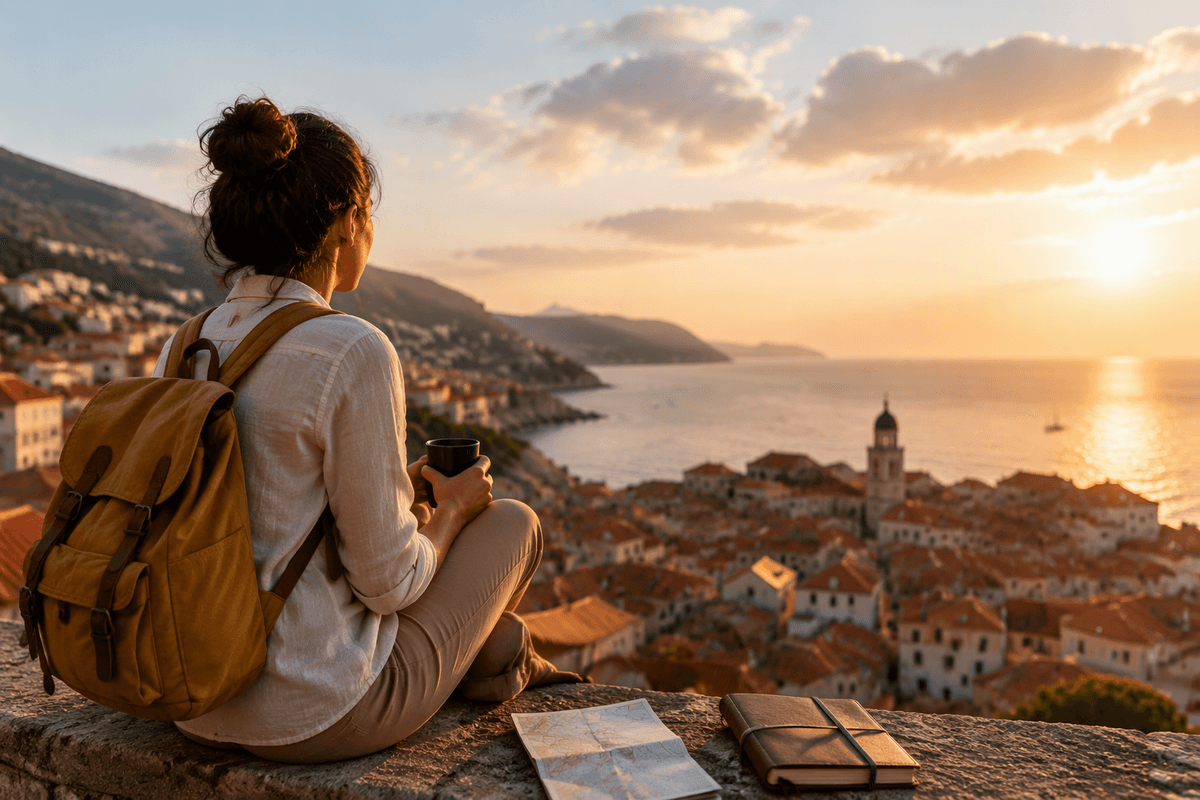
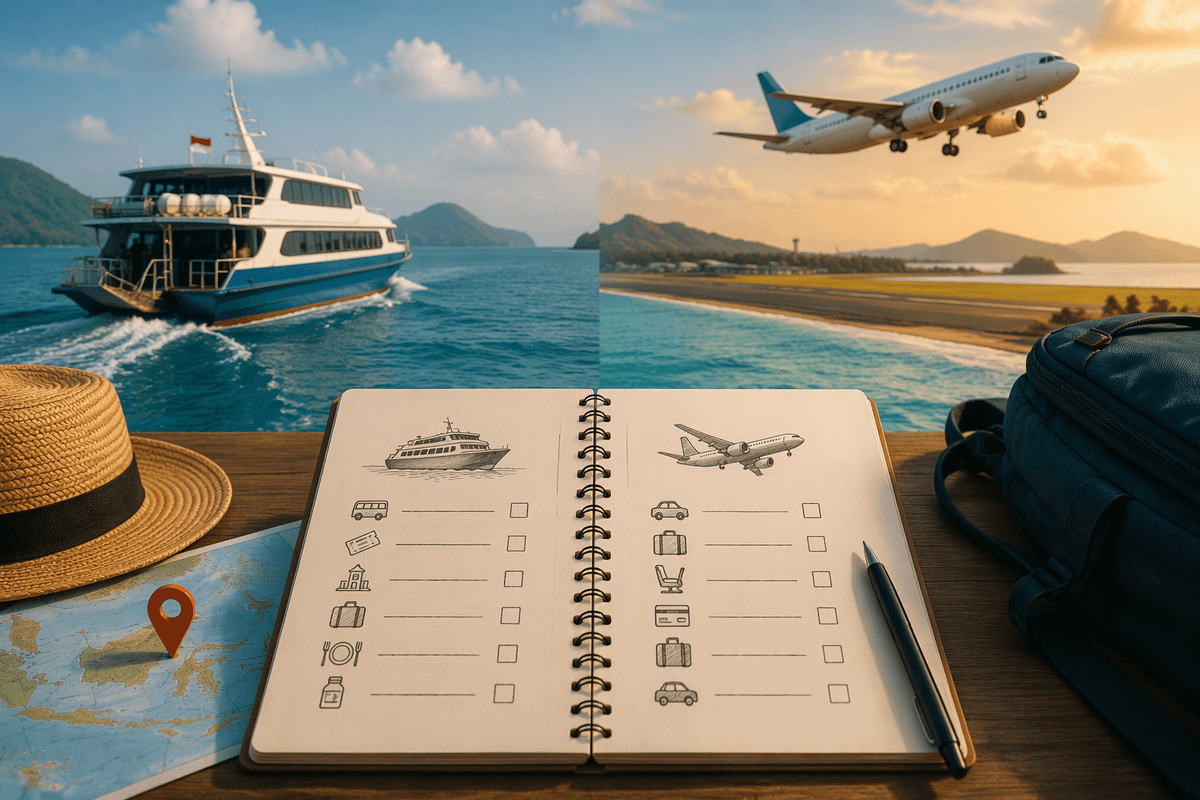
The first solo trip often feels harder before it begins. You are not only choosing where to go; you are also responsible for the airport transfer, the room, the route, the budget, and what happens when a train is delayed. A group can absorb small mistakes, while alone, every decision feels more visible.
That discomfort does not necessarily mean you chose the wrong destination. It may simply mean the trip asks for too many decisions at once. An ambitious itinerary can turn freedom into fatigue, especially when unfamiliar streets, quiet meals, or an empty evening arrive after a long travel day. The goal is not to eliminate uncertainty, but to make the first version manageable.
Build Confidence Through Small Solo Decisions
Confidence usually grows through decisions small enough to recover from. For a first trip, choose a hotel near reliable public transport, book the arrival transfer in advance, and plan only one major activity for the first day. That setup may cost slightly more or limit spontaneity, but it reduces the number of problems competing for your attention.
Then practice making choices as you go: eat at the café you noticed earlier, take the shorter route, or change plans when rain makes an outdoor visit unpleasant. Keep a loose backup for transport, dinner, and bad weather rather than scheduling every hour. You are learning what kind of independence suits you, not proving that you can manage every possible complication without help.
Choose Destinations That Match Your Comfort Level
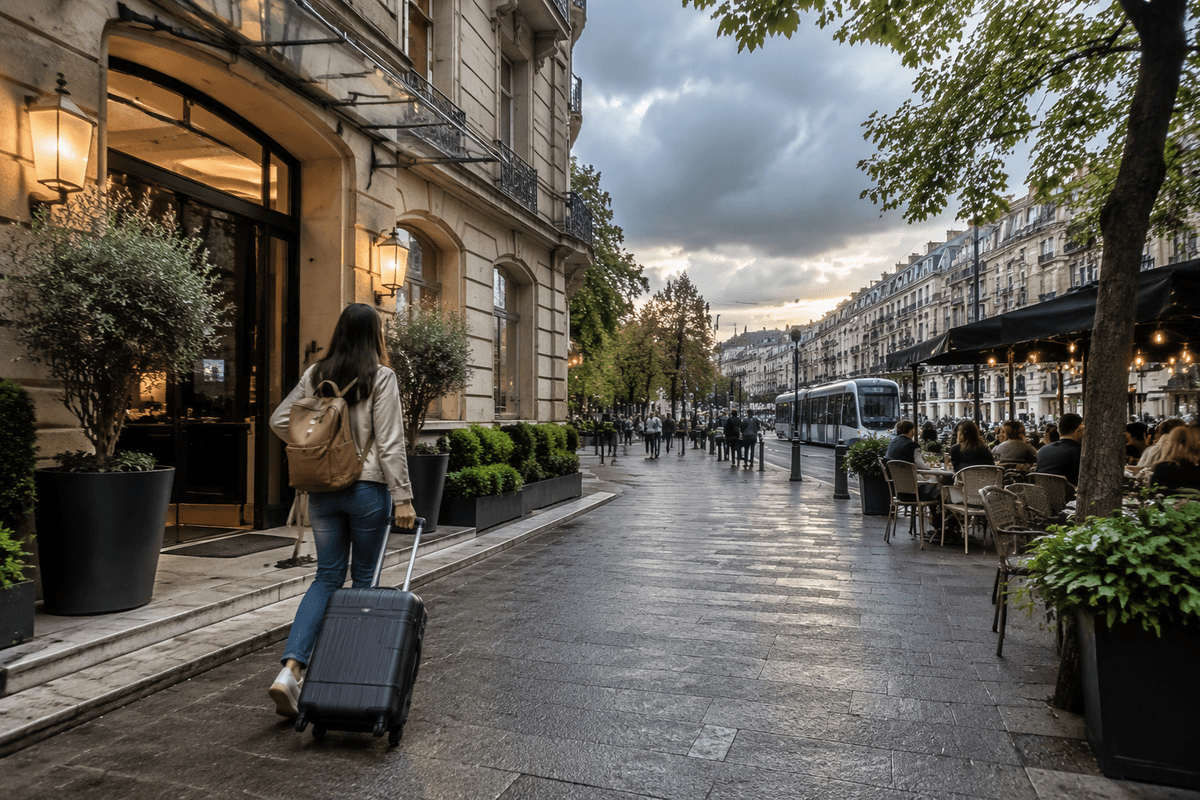
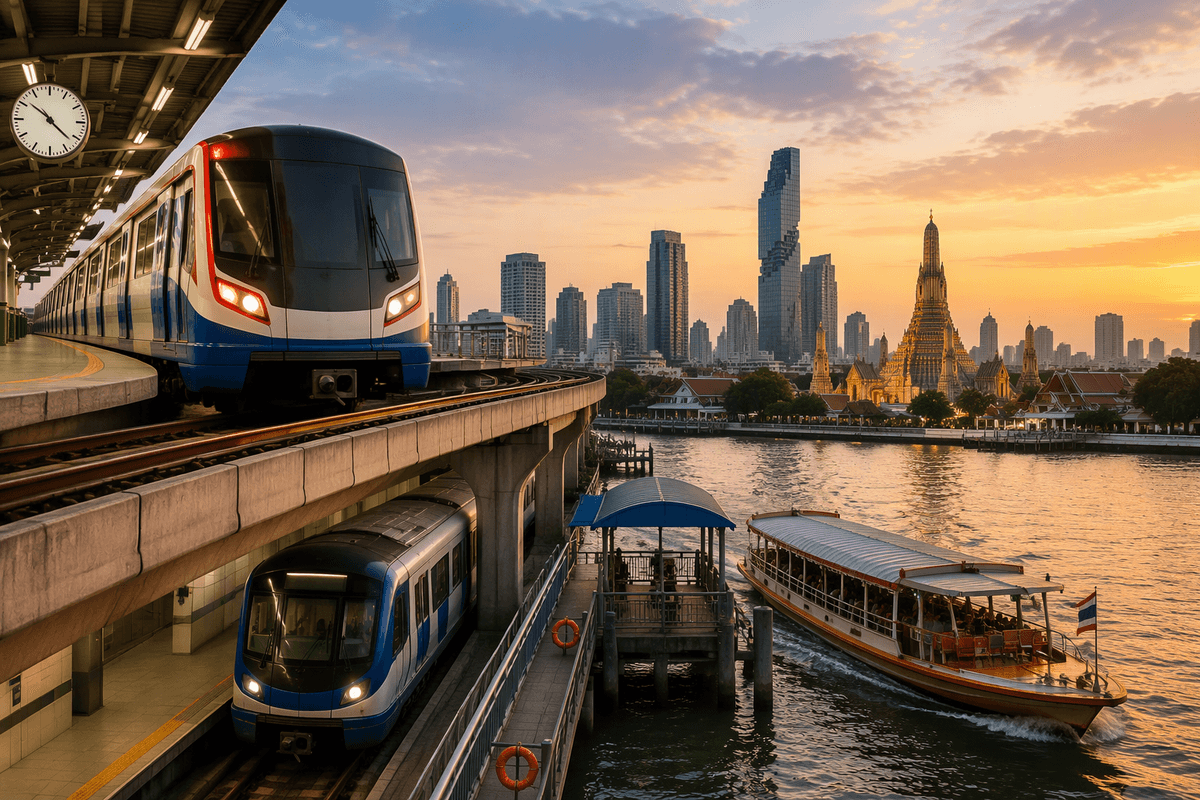
Choosing the destination is less about finding the “best” place than finding the place that leaves you enough attention to enjoy it. A compact city with clear transport, walkable neighborhoods, and plenty of casual restaurants is often easier than a remote escape requiring a rental car, long transfers, or advance reservations for every meal. Staying central may cost more, but it can make a late arrival, a tired afternoon, or an unwanted change of plan much simpler.
Match the pace as carefully as the location. Two nights in one neighborhood may feel more comfortable than moving hotels every morning, even if the itinerary looks less impressive on paper. Check how you will arrive, what evenings are likely to feel like, and whether you have affordable options when the weather turns. A destination that is slightly familiar is not a failure of independence; it is a useful starting point while you learn how much navigation, solitude, and spontaneity you actually enjoy.
Create Connection Without Losing Independence
Connection does not have to mean surrendering control of the trip. A food tour, walking tour, or shared cooking class can give you conversation and local context without committing to several days with the same group. These activities work particularly well near the start of a trip, when a little structure makes the city feel less anonymous. They may cost more than exploring alone, though, and a crowded tour is not automatically a meaningful connection.
For quieter contact, stay somewhere with a common lounge, choose a bar seat instead of an isolated table, or arrange one meal with someone you trust. Keep your own room, transport plan, and exit option so social time remains a choice rather than an obligation. If an interaction feels tiring, awkward, or unsafe, leaving early is not rude; it is part of maintaining the independence that made the trip appealing.
Handle Lonely, Awkward, or Uncertain Moments

Some moments will feel lonelier than expected, often after the practical tasks are finished. If dinner alone feels uncomfortable, choose a busy café, sit at the counter, or pick up something simple for your room rather than forcing a formal meal. An awkward interaction or wrong turn can usually be reduced to one next step: return to a familiar street, ask staff for help, or pause somewhere public while you reset.
Uncertainty is easier when you decide in advance what deserves caution and what merely feels unfamiliar. Keep your phone charged, share your accommodation details, and have enough cash or a backup payment method for a disrupted evening. You do not need to turn every quiet hour into an experience; a shower, an early night, or a familiar show can protect tomorrow’s energy. Feeling unsettled does not mean the trip is failing—it often means you are adjusting.
Make Solo Travel Feel Like Your Own
By the final morning, notice which parts of the trip felt easy and which quietly drained you. Maybe a slower start worked better than an early tour, or a central hotel mattered more than saving a little money. Those details are useful evidence for the next trip, not signs that you traveled incorrectly.
Solo travel becomes your own when you stop copying someone else’s ideal pace. Keep the rituals that made you comfortable, adjust the arrangements that created unnecessary friction, and leave room for ordinary time. The right trip may still include wrong turns, lonely meals, or changed plans—but you finish knowing more clearly how you like to move through the world alone.