Copenhagen budget myth vs reality: what you can’t skip
I hesitated right at the first menu board—Copenhagen’s “just grab something quick” can quietly become a $20 habit once you add a drink and a snack. The myth isn’t that everything is expensive; it’s that the small defaults (coffee stops, short metro hops, convenience food) stack faster than the headline attractions.
What you can’t skip, even on a tight plan, is the city’s walkable core: a long harbor loop, a couple of distinct neighborhoods, and at least one indoor anchor for bad weather. Those give you the “Copenhagen feeling” without paying per minute. The constraint is energy—if you don’t group sights, you’ll spend your budget on transit just to fix inefficient routing.
For 3–4 days, start pay-as-you-go unless you’re truly doing multiple museums daily; passes only win when you commit to a packed itinerary, and that can mean more rushing than enjoying.
Plan around free views, neighborhoods, and harbor walks
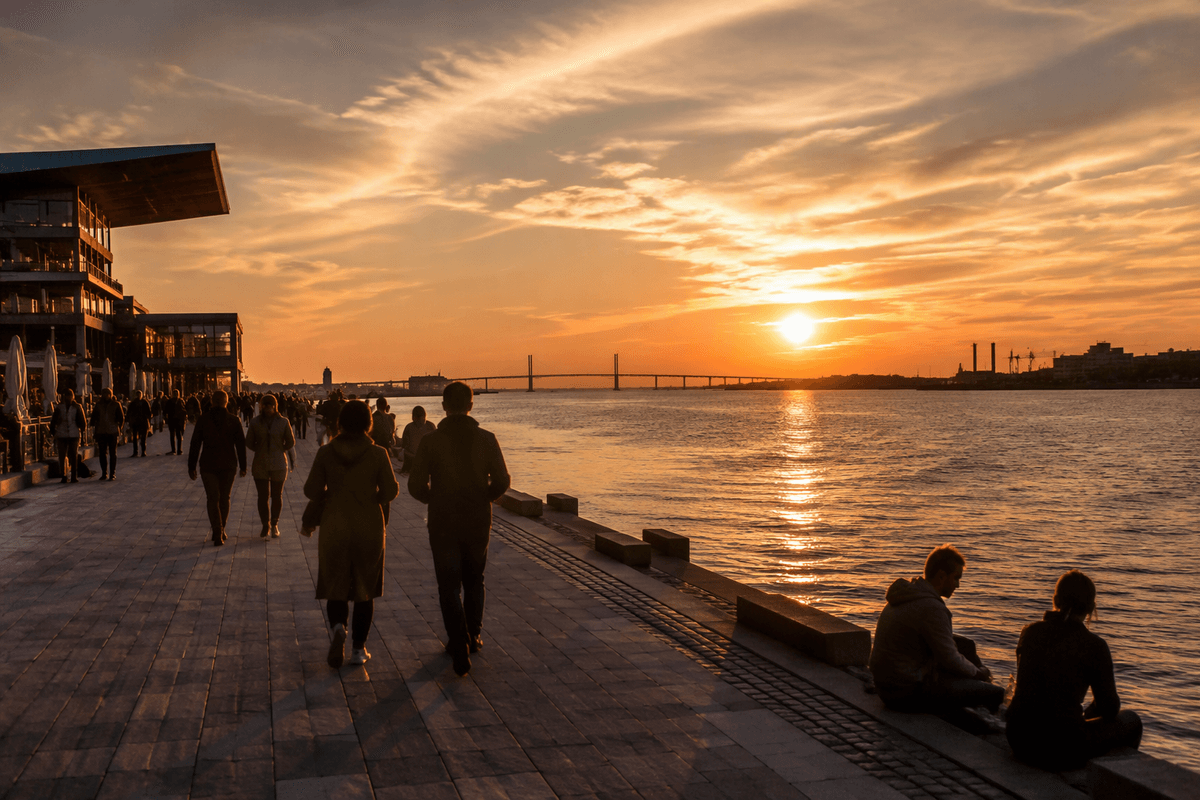
The first time I aimed for “just a quick look” at Nyhavn, it was already crowded enough that stopping for photos felt like blocking traffic—and the cafés there are exactly where budget discipline goes to die. What worked better was treating the harbor as my free backbone: start early at Kongens Nytorv, walk Nyhavn before the day-trippers swell, then keep moving along the water instead of lingering where prices are highest.
From there, I had more fun (and spent less) by hopping between neighborhoods on foot: Indre By for the classic postcard streets, Christianshavn for canal-side wandering, and Nørrebro when I wanted everyday Copenhagen without paying “center-city tax.” The practical limit is distance—stringing too many areas together can turn into a 25,000-step day, and fatigue is when you start buying convenience meals and unnecessary rides.
If you want a “free view” moment, choose ones that don’t quietly cost you time: sunset on the harbor front or a long bridge walk beats detouring for a viewpoint that requires extra transit. The city rewards slow loops, not constant crossing back and forth.
Choose one paid splurge: Tivoli, museums, or tower views
I stood outside Tivoli doing the mental math: one ticket that stings versus a handful of smaller “maybe” entries that quietly add up—and the real question was whether I wanted a night experience or a daytime dose of culture. Tivoli is the cleanest splurge if you’ll actually stay into the evening (lights, atmosphere, people-watching); if you just pop in for a lap at noon, it can feel like paying for a backdrop you’ve already seen on Instagram.
If weather is shaky or you know you’ll museum-hop, pick one strong museum day instead of spreading admissions across multiple days. That’s where the Copenhagen Card can start to make sense, but only if you’re genuinely stacking included entries—otherwise pay-as-you-go keeps your pace calmer and your costs more predictable. Tower views are the budget trap in disguise: they’re often cheaper than Tivoli, but the payoff depends on visibility, and a hazy afternoon can turn “iconic panorama” into a gray shrug. Choose one: Tivoli for night energy, museums for rain-proof depth, or a tower when the forecast is crisp.
Eat well for less: bakeries, markets, and lunch deals
I learned fastest that Copenhagen punishes “I’ll figure out food later.” The moment you’re hungry near Nyhavn or Strøget, you’ll pay for location, not quality—and it’s hard to keep daily costs predictable when every decision happens at peak hunger. What worked was setting two reliable anchors: a bakery breakfast (one pastry + coffee, not a full spread) and a market-style late lunch that could double as an early dinner if I was tired.
Bakeries are the best value when you treat them like fuel, not a tasting menu: pick one thing you’re genuinely excited about, then walk it off along the harbor instead of adding another “just because” stop. For lunch, look for weekday lunch plates and set menus—often the same kitchen that charges dinner prices, just tighter portions and faster pacing. Markets can be a win for variety (especially if you’re sharing), but the constraint is that it’s easy to overspend by sampling; I got better results by choosing one stall, one main, and skipping drinks.
Get around cheaply: bikes, passes, and smart airport transit
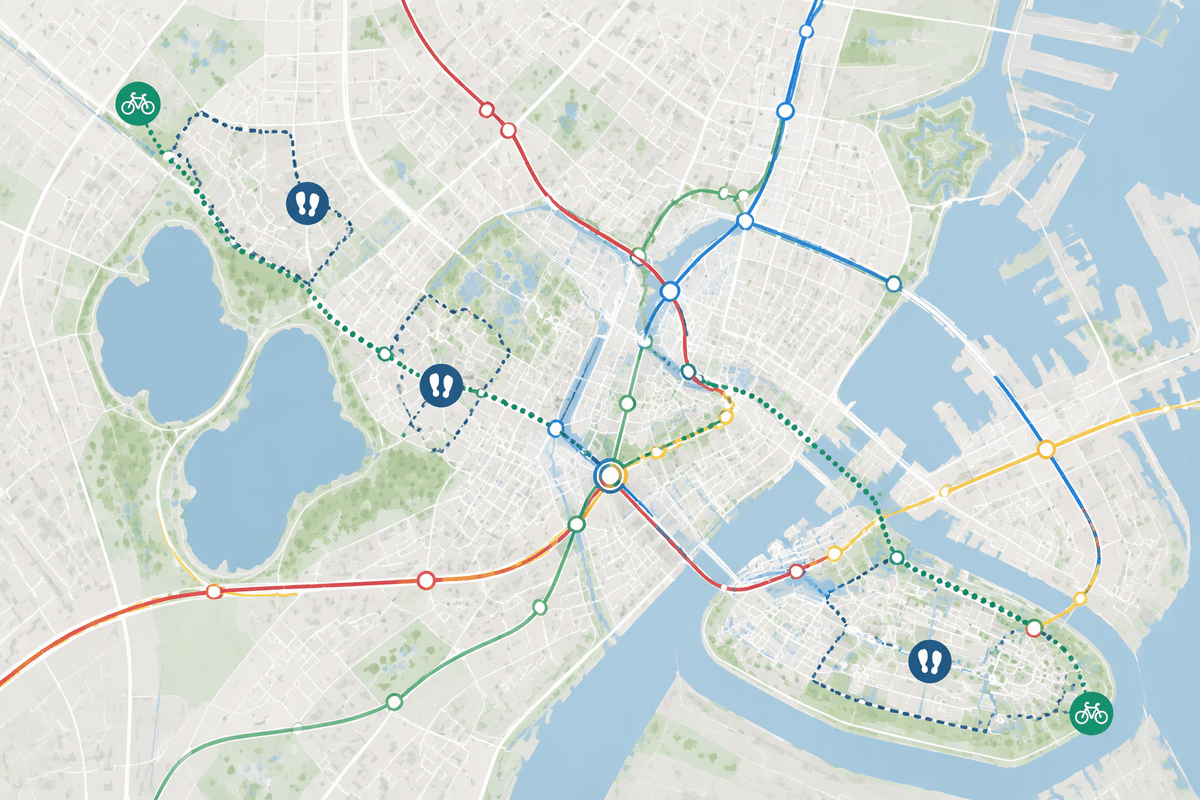
I almost bought a multi-day pass at the airport out of pure convenience, then realized it would lock me into “using it enough,” even on days when Copenhagen is simply easiest on foot. If you’re staying central, pay-as-you-go (tap-in/out) often keeps costs cleaner—your real enemy is not price per ride, it’s taking extra rides because you zigzagged across town.
Biking is the best bargain when the weather cooperates and you’re confident in city cycling; it turns “two metro stops” into a 10–15 minute glide, but it stops feeling cheap if you’re fighting wind, rain, or rush-hour nerves. I liked using a bike for one long point-to-point day (Nørrebro to the lakes to Christianshavn), then defaulting back to walking loops.
For airport transit, the cheap move is also the simplest: take metro or train straight into the center rather than a taxi—especially if you’re arriving late and surge pricing makes “just this once” painful. Only consider a card/pass if you’ve already committed to a stacked museum day where transit is incidental, not the main event.
A budget checklist to leave feeling satisfied
On my last morning, I ran a quick checklist before spending a single extra krone: one long harbor walk at the right time (early beats crowds), one neighborhood that feels lived-in, one paid “anchor” you’ll actually linger in (not a box-tick), and food planned before hunger makes choices expensive. If any of those are missing, it’s usually a routing problem—not a “Copenhagen is too pricey” problem.
Then I sanity-checked the cost traps: cafés in the postcard zones, unnecessary transit to fix zigzags, and “sampling” at markets that turns into a full meal plus drinks. If you’re debating a pass late in the trip, that’s your cue to stick with pay-as-you-go and slow down—you’ll leave more satisfied than sprinting to make math work.