Discover Oaxaca Beyond the Postcard
Oaxaca’s historic center offers an inviting introduction to the city, with brightly painted façades, church towers, colonial architecture, and pedestrian streets lined with cafés and artisan shops. Yet the character of Oaxaca extends beyond these familiar views. Markets such as Benito Juárez and 20 de Noviembre bring together regional ingredients, traditional crafts, and local dishes, making them worthwhile stops on the same morning. Both markets can become crowded, however, and the combination of heat, uneven sidewalks, and busy aisles makes a relaxed visit more enjoyable than trying to see everything at once.
Allow time to wander through quieter neighborhoods, browse small shops, and observe the routines that shape daily life away from the main tourist streets. Local bakeries, neighborhood eateries, and workshops may offer a more personal glimpse of Oaxaca than another tightly scheduled attraction. Plan around one market and one nearby historic area each morning, then leave the afternoon open for a longer meal, a gallery visit, or a break from the heat. Opening hours, market activity, and occasional closures may affect the day, so a flexible schedule helps preserve time for unexpected discoveries. Exploring Oaxaca at a slower pace reveals a city defined not only by its colorful streets, but also by its food traditions, craftsmanship, and everyday rhythms.
Markets Where Oaxaca Comes Alive
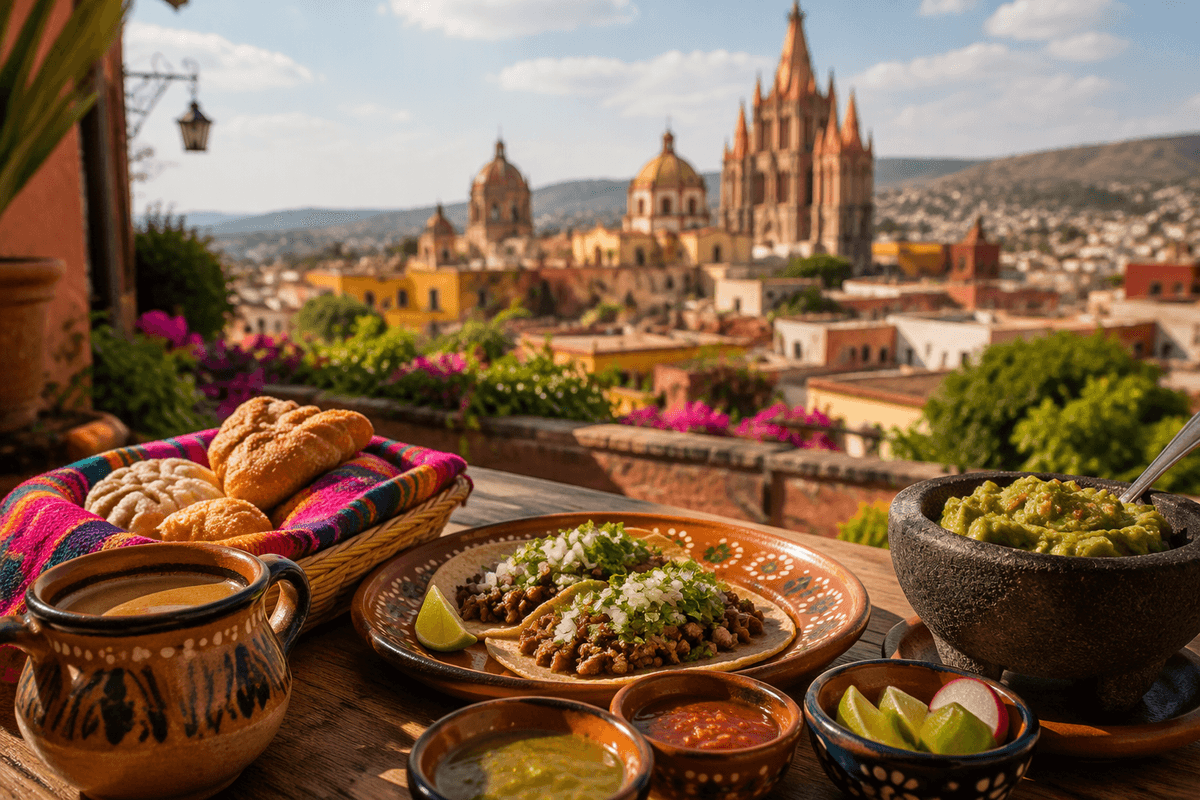
Start early at Mercado Benito Juárez if you want a manageable introduction to Oaxaca’s food stalls, crafts, and tourist-friendly layout. It pairs naturally with nearby 20 de Noviembre, where the pasillo de humo is more atmospheric but also hotter, smokier, and harder to navigate when busy. Allow roughly two hours for both, longer if you stop for breakfast; arriving late can mean crowded aisles and fewer places to sit.
For a less curated experience, Mercado de la Merced rewards a short detour toward the east, especially in the morning when locals shop for everyday ingredients. It is less convenient to combine with the central markets on foot during peak heat, but the quieter rhythm can be worth the extra effort. Check opening hours locally, since individual stalls may close earlier than the market itself.
Colonial Streets Worth Wandering
After the markets, the streets around Santo Domingo make a useful contrast: broad, restored facades, galleries, and polished cafés are easy to explore, but the area becomes noticeably busier by late morning. Go early if you want photographs and cooler temperatures; otherwise, treat it as a short walking route rather than a full-day neighborhood.
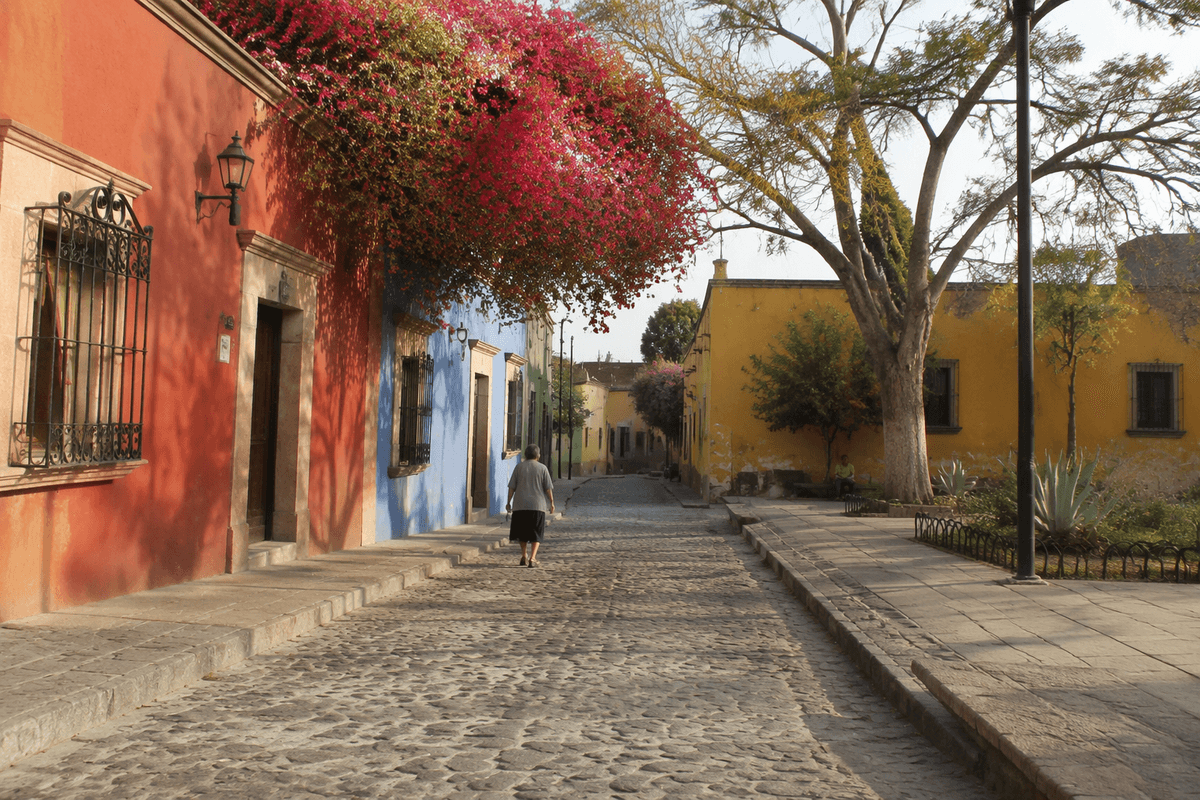
Jalatlaco and Xochimilco offer more residential texture, with painted walls, small plazas, and quieter lanes, although uneven paving and the distance between highlights slow the pace. Jalatlaco works well after breakfast or before dinner, while Xochimilco is better approached without a rigid checklist. Combining both with Santo Domingo is possible, but in afternoon heat the route can feel longer than the map suggests. Choose one, pause often, and leave the remaining streets for another morning.
Everyday Culture Around Every Corner
The most revealing moments often happen between planned stops: a vendor setting up breakfast, children leaving school, or neighbors pausing in a shaded doorway. These scenes are easiest to notice in residential parts of Jalatlaco and Xochimilco, where mornings feel active without being organized for visitors. The trade-off is comfort; sidewalks can be narrow, dogs may wander, and afternoon heat makes aimless walking less appealing.
Plan one unstructured hour rather than trying to collect every colorful street. A café, small plaza, or shaded bench gives you time to observe without turning daily life into a checklist. Some businesses may open late or close unexpectedly, especially outside the busiest center, so keep a nearby alternative in mind. That flexibility often produces a more convincing sense of Oaxaca than another hurried landmark.
Planning a More Meaningful Visit
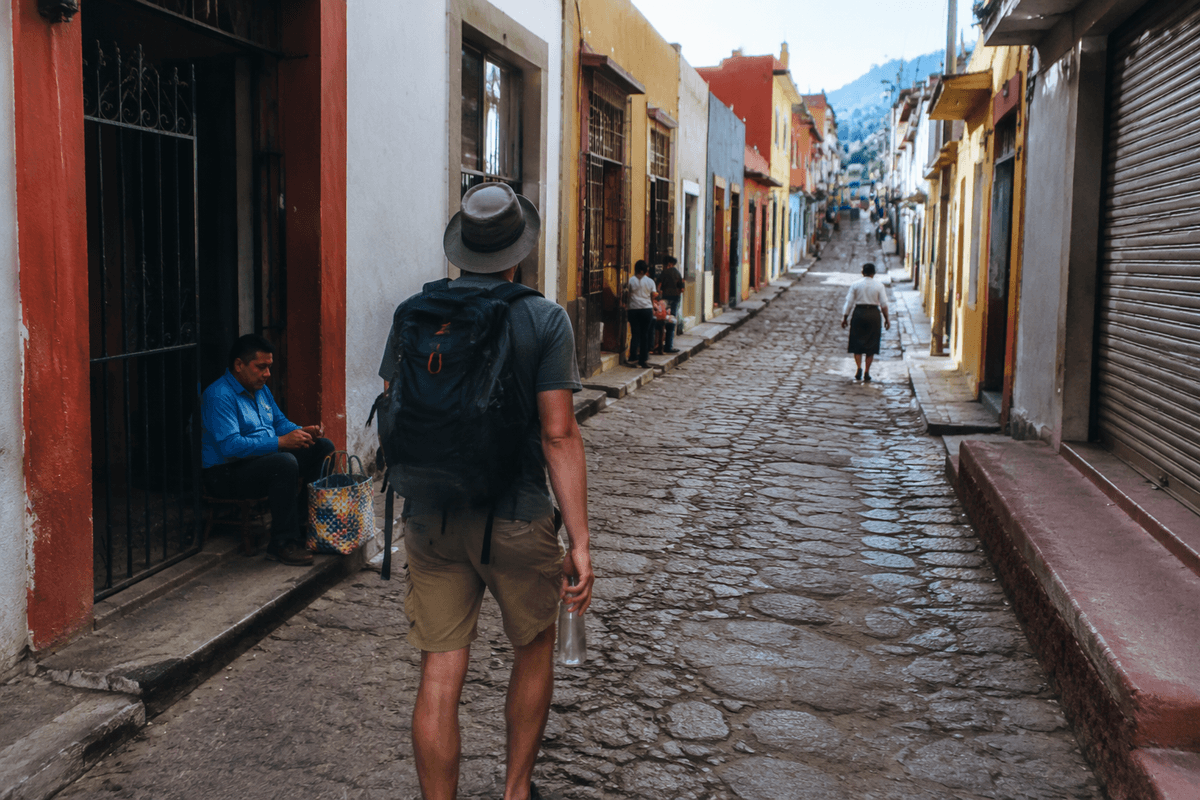
With three to five days, build each morning around one market and one nearby neighborhood rather than crossing town repeatedly. Benito Juárez and 20 de Noviembre suit a compact first outing; Merced is better paired with eastern streets when you can accept extra walking and a quieter, less curated atmosphere. Start early for cooler temperatures and easier access, then protect the afternoon for lunch, rest, or a short café stop.
Keep one flexible block for closures, changing stall hours, or weather. Santo Domingo is efficient but crowded, while Jalatlaco or Xochimilco require more patience and uneven walking. The strongest itinerary is not the fullest one; it is the plan that leaves enough energy to notice what happens between destinations.
Seeing Oaxaca at Its Own Pace
By the final morning in Oaxaca, resist the temptation to squeeze in another distant attraction just to make the most of the remaining time. Returning to a favorite street, stopping for breakfast at a neighborhood café, or sitting in a shaded plaza before the midday heat arrives may provide a more satisfying end to the trip. Leaving the schedule open also reduces the pressure of rushing between locations and allows room for unexpected closures, tiredness, or a change in plans. With less time spent watching the clock, there is more opportunity to appreciate the details that make the city distinctive, from colorful market stalls to the rhythm of everyday life in its historic streets.
Oaxaca is best experienced through contrasts rather than a long checklist of attractions. Spend time in a busy market to explore regional ingredients, traditional foods, and local crafts, then visit a quieter residential neighborhood to see a different side of the city. The difference between these settings often reveals more about Oaxaca than another hurried stop. Allowing time for unplanned walks, leisurely meals, and familiar places gives the experience a more personal character. A thoughtful itinerary does not need to cover every market or landmark; it should leave enough room to understand the places you visit and enjoy the city at a pace that feels natural.