The Payment Arrives, Yet Interest Still Appears
A payment can leave the bank account on time and still be followed by an interest charge. That usually feels like a mistake, especially when the balance looked settled a few days earlier. The timing may be correct, but the payment was applied to a different billing period than expected, or interest had already accumulated before the payment posted.
A card statement records several dates and balances, not one simple deadline. The amount paid, the date it posts, and whether the account still qualifies for a grace period can all affect the final cost. Treating the due date as the only important date makes an unexpected charge seem random, when the explanation is often visible on the statement.
Start With the Statement Closing Date
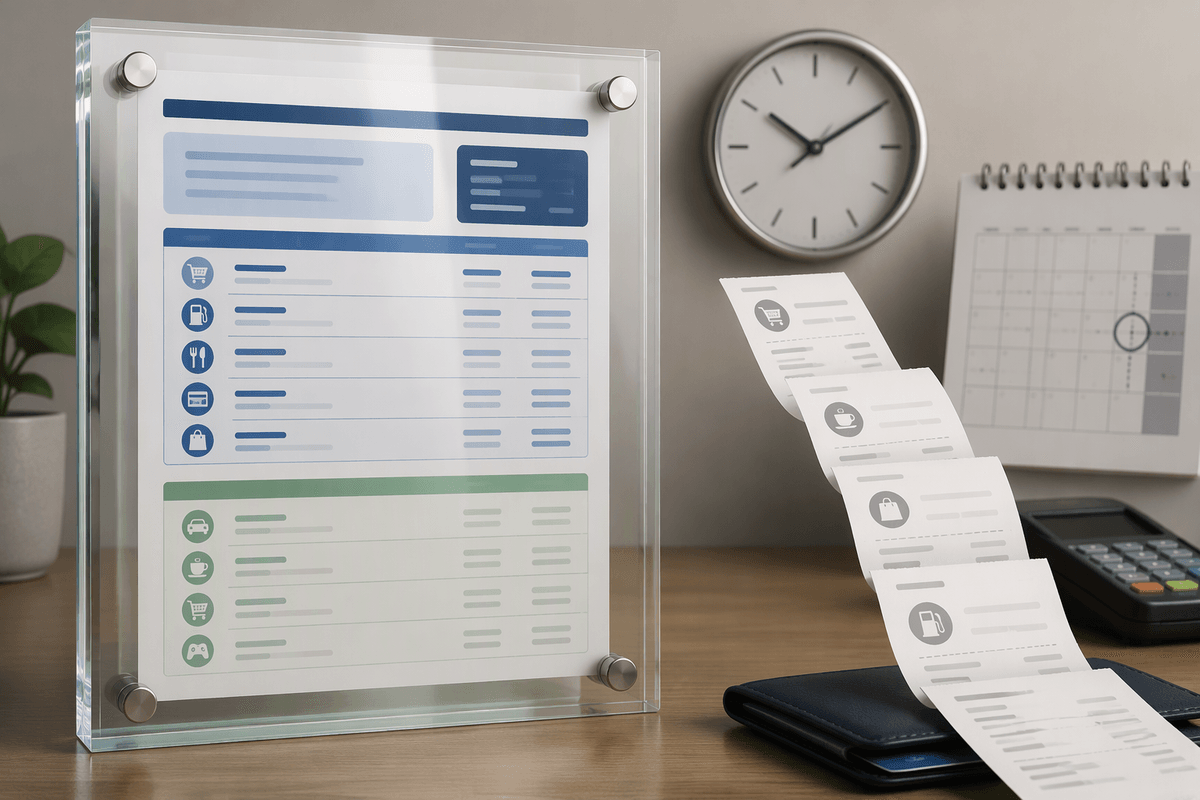
The statement closing date is the point where the card issuer stops adding transactions to the current billing cycle. Purchases posted after that date usually appear on the next statement, while those posted before it can increase the balance now used to calculate the amount due. A purchase made near the cutoff can therefore land in a different cycle than expected, especially when processing takes a day or two.
That timing matters because the statement balance is a snapshot, not necessarily the card’s live balance. Paying the statement balance by the due date may satisfy the bill for that cycle, but new purchases or late-posting transactions can remain outside that payment. Checking the closing date alongside the statement balance shows which charges have already been captured and which may still appear later. The exact cutoff and posting rules vary by issuer, so relying on a familiar calendar pattern can create a small balance that carries forward or changes the next bill.
The Due Date Is Not the Statement Date
Once the statement has closed, the payment due date becomes the next important checkpoint—but it answers a different question. The closing date determines which transactions belong to the statement. The due date determines when at least the required payment must reach the issuer to avoid being treated as late. Paying on the due date can work, but a bank transfer may take time to post, and a weekend or holiday can affect processing. A payment sent that morning is not always the same as a payment credited that day.
The due date also does not necessarily tell you how to avoid interest. Paying only the minimum may keep the account current while leaving part of the statement balance unpaid. If the card offers a grace period, preserving it commonly requires paying the full statement balance by the due date, though the exact terms depend on the issuer and the type of transaction. Cash advances and balance transfers may follow different rules. That distinction matters when cash is limited: a payment can prevent a late fee yet still leave interest running. The statement’s payment instructions and account terms are more reliable than assuming every card uses the same timing.
Can You Preserve the Grace Period?

Preserving the grace period usually depends on paying the full statement balance by the due date, not simply making a payment before the account is marked late. When that payment is made in full, purchases may avoid interest during the next cycle. A partial payment can leave the account current while still causing interest on the unpaid portion, and some issuers may remove the grace period after a balance carries over.
The calculation becomes less straightforward when the account already has interest, a returned payment, a cash advance, or a balance transfer. Paying the statement balance shown may not erase interest that accumulated between the statement closing date and the payment posting date. A payment can also be directed among balances under the card’s allocation rules rather than eliminating the balance with the highest cost first. Before assuming the grace period is protected, compare the statement balance with the current balance, confirm the payment will post by the due date, and check the account terms for excluded transactions. The useful question is not merely whether enough money was sent, but whether the issuer will treat the required balance as fully paid under that card’s rules.
Choosing a Payment When Cash Is Tight
When the full statement balance is out of reach, the payment decision becomes a trade-off rather than a simple deadline exercise. Paying at least the minimum by the due date generally helps keep the account current, but it may not preserve the grace period or stop interest on the remaining balance. A larger payment reduces the amount carried forward and usually lowers future interest, yet sending too much can leave too little for rent, utilities, or other bills. The right amount depends on both the card’s terms and the cash needed before the next paycheck.
A practical approach is to protect the required payment first, then direct any available extra toward the balance that is costing the most. Avoid using the card again if possible, since new purchases can make the balance harder to reduce and may complicate grace-period treatment. Timing still matters: a payment scheduled for the due date may post later than expected, while a payment made earlier provides more room for processing errors. If only the minimum is affordable, the account may remain in good standing, but the statement should be reviewed for the interest cost and the balance needed next month. That turns a short-term cash decision into a clearer estimate of what carrying the balance will require.
Why Interest Can Continue After You Pay
Even after a payment posts, interest can continue because it may have accumulated daily before the payment was credited. This is sometimes called residual or trailing interest. It can cover the days between the statement closing date and the payment date, especially when a balance was carried from an earlier cycle. The charge may not appear until the next statement, making the account look settled before the final cost is visible.
Interest may also continue when the payment does not fully restore the grace period. New purchases can begin accruing interest under the card’s terms, and cash advances or balance transfers may follow separate rules. A payment that reduces the balance is still useful, but it does not necessarily erase every charge already in progress. Check the next statement for interest after payment, then use that amount when deciding what must be paid to bring the balance fully current.
Use Your Statement to Make the Next Payment
The next statement provides the clearest evidence of what the last payment actually accomplished. Compare the previous statement balance, payment credited, new transactions, interest charge, and remaining balance. If interest appeared after payment, include it in the amount needed to prevent the balance from continuing forward. This review also shows whether purchases were made before the grace period was restored or whether a separate transaction type followed different rules.
Use those figures to set the next payment, rather than relying on the current balance alone. Pay the required amount early enough for posting, then add what cash flow allows toward the balance that remains. The statement may not eliminate every uncertainty, but it narrows the decision: which amount is due, what cost has already accumulated, and how much must be paid before the next cycle creates another charge.