The register pitch: save 20% today, maybe
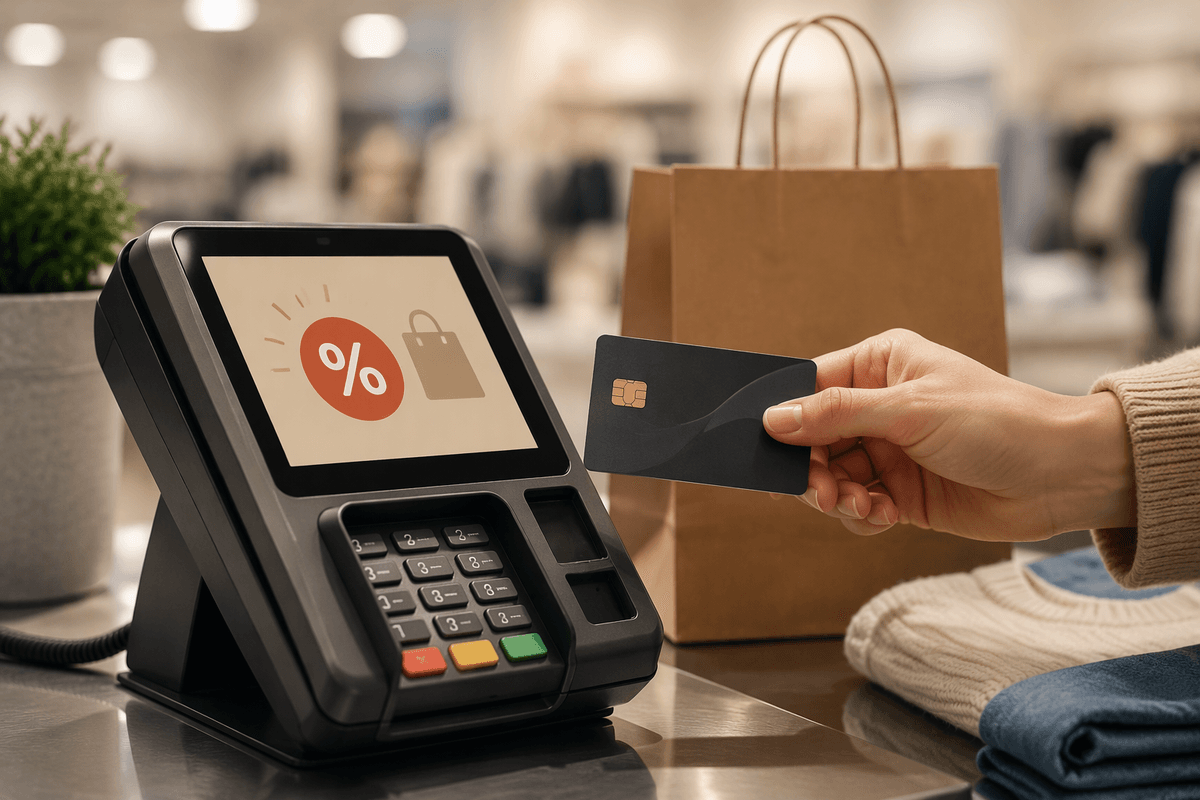
The line is moving, the cashier is already scanning, and the screen flips to a familiar question: “Want to save 20% if you open our card today?” It sounds like a clean, immediate win, especially when the total is higher than you expected. But there’s always a small catch hiding in the timing—approval isn’t guaranteed, the discount might cap out, and sometimes it only applies to certain items or only “today” if the account is usable right away. That uncertainty is why the offer feels so urgent: it forces a decision before you can check the fine print or do the math.
In that moment, the discount is treated like cash on the counter. A $300 basket turns into a promised $60 off, which is real money if it lands. The constraint is that the decision is being made under pressure, with incomplete information, and usually with a purchase you already mentally committed to. The pitch isn’t “take on a new credit line,” it’s “don’t miss out,” and that framing is where the risk starts to creep in.
First question: is this discount really free?
The first thing to test is whether the discount behaves like a rebate or like a trade. If it’s a true one-time statement credit with no strings, it’s close to “free” as long as the purchase was happening anyway. But checkout offers often come with conditions that change the math: a maximum discount amount, exclusions (gift cards, certain brands), or a requirement that the purchase posts to the new account that day. If the account isn’t instantly usable and you pay another way, the “20%” can quietly become “maybe later,” which is a real timing constraint if you’re counting on that savings.
Then pressure-test it against a boring baseline: paying in full. If you’d pay the full balance by the due date, the discount is mostly upside. If there’s any chance you’ll carry even part of it, treat the discount as pre-paying interest. A $60 discount disappears quickly at a high APR if the balance lingers.
What the APR and fees do after month one
Once the first statement cuts, the deal stops being “20% off” and turns into a normal revolving balance with whatever APR the card assigned. Store cards often price that APR high, and interest starts accruing the moment you carry a balance past the grace period. The practical constraint is cash flow timing: if the purchase hits right before the statement closes, you can end up with less time than you expected to pay it off before interest applies.
Fees are the other quiet lever. Many store cards don’t charge an annual fee, but late fees can be immediate and painful, and a returned payment fee can stack on top. One missed due date can erase the discount, not in theory but in dollars, because you’re paying both interest and penalties while the balance is still large from the original purchase.
The credit-score ripple: inquiry, utilization, timing

Even if you pay it off fast, the account can still show up in your credit profile at an awkward moment. The application usually creates a hard inquiry, and that can shave a few points temporarily—small, but annoying if you’re inside a 30–90 day window for a car loan, refinance, or apartment screening. The other timing constraint is approval: store cards sometimes start with a modest limit, so a $300–$800 checkout purchase can land as a big chunk of your available credit the minute it reports.
That’s where the ripple turns into something you actually feel. A high utilization snapshot (even if it’s “just for a month”) can depress scores until the next update. If you’re trying to keep utilization low, the cleaner move is paying most of the balance before the statement closes, not just before the due date. It works—unless cash flow is tight and that early payment forces a late payment somewhere else.
When the discount triggers overspending you didn’t plan
The messiest part isn’t the APR on paper—it’s what happens to the cart when the screen says “20% off today.” People who walked in for a $180 run suddenly justify the $260 version: the better blender, the extra set of sheets, the add-on warranty, the impulse items by the register. The constraint is immediate: the discount is only valuable on dollars you didn’t invent just to “use it,” and the store is optimized to help you find those dollars in the last five minutes.
There’s also a quieter overreach: the purchase becomes a “first use” event that you anchor on emotionally, then you keep swiping for a few weeks to feel consistent—especially if there’s a promised coupon for the next visit. If the credit limit is tight, that extra spending can push utilization high, and if your budget is tight, it can push bill timing off by a week or two. The discount didn’t force a mistake, but it can make a bigger one feel rational while you’re still standing at the counter.
Safer paths: split payments, promos, or existing cards
If the discount still feels tempting but the new credit line feels like the expensive part of the deal, there are usually quieter ways to get most of the benefit without adding a fresh account. The simplest is splitting the payment: put only the amount you can comfortably pay before the statement closes on whatever card you already manage well, then use debit, cash, or a second card for the rest. The constraint is psychological as much as financial—splitting makes the total harder to “round up” in your head, which helps keep the cart from expanding just because the register offered permission.
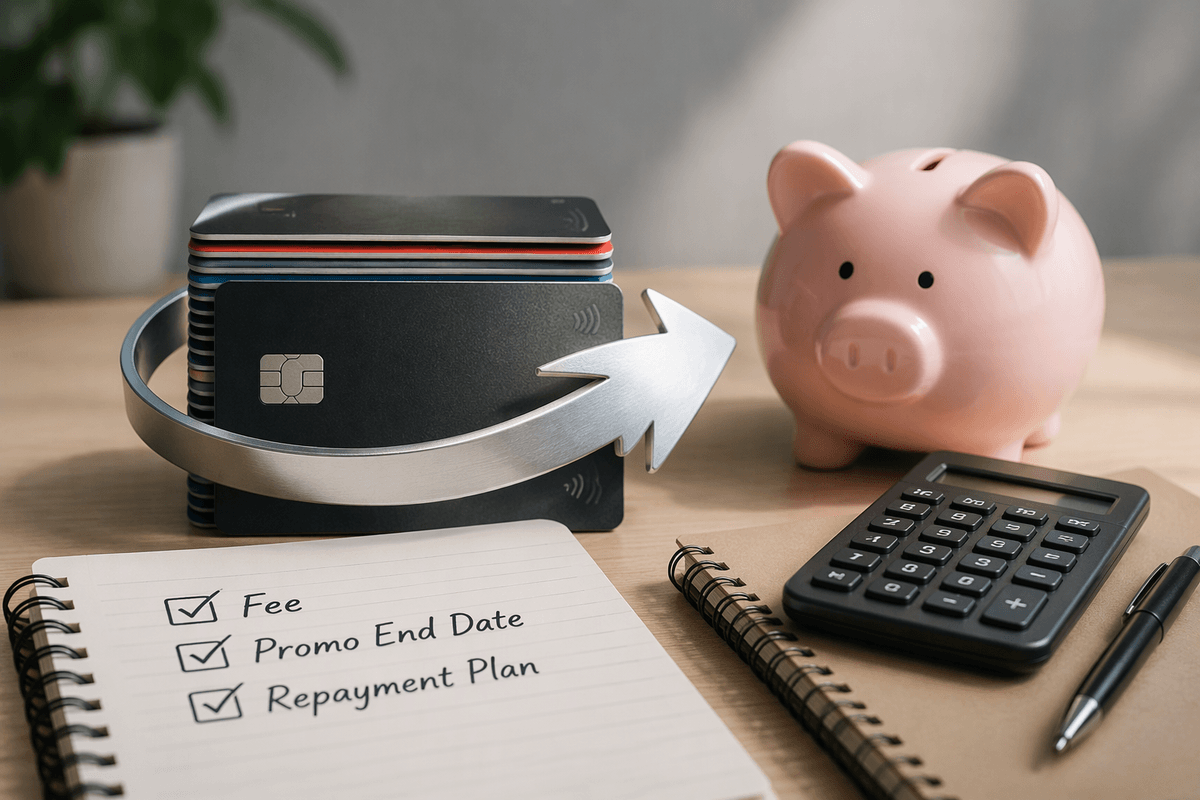
Then look for promotions that don’t require a new inquiry: a retailer’s standard email sign-up coupon, free-shipping thresholds you can meet by bundling planned items, or a limited-time sale that applies regardless of payment method. If you already have a mainstream card, a 0% intro APR (or a targeted balance-transfer/0% offer) can be safer than a store card, but only if you set a payoff date that’s earlier than the promo end. The real constraint is calendar drift—when the “no interest” window feels long, it’s easy to treat it like extra income and let the balance linger.
Finally, if you do want a discount-like outcome, ask one boring question before you apply: “What happens if I just pay full price today and optimize later?” If the answer is “I’d still be fine,” that’s your baseline. When the answer is “I’d need the discount to make the purchase feel okay,” it’s usually a signal to scale back the purchase, not to finance it with a new card under bright lights.
A quick decision script for the checkout moment
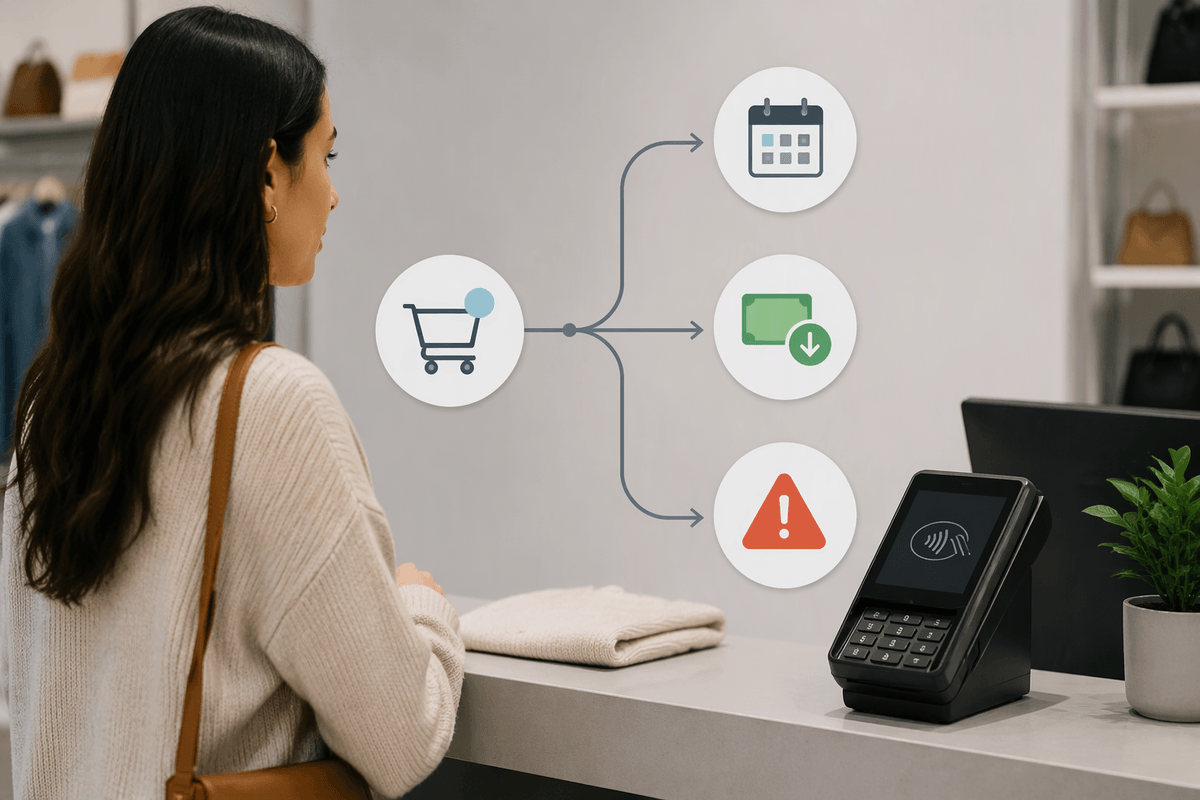
With the total on the screen, treat it like a 30-second audit, not a “yes/no” personality test. First: “If I pay full price today, am I still buying this?” If not, resize the cart before you talk credit. Second: “Can I pay the store-card balance in full before the first due date, even if next week is tight?” If that answer wobbles, assume the discount is buying future interest.
Then force the math into dollars: “What’s the exact discount amount after caps and exclusions?” If it’s $35, don’t risk a hard inquiry for $35 while planning a loan. If it’s $120 and you’ll pay it off immediately, ask for the paper terms, set autopay for statement balance, and plan an early payment before the statement closes if your limit will be small.
Walking away—or signing up—without second-guessing later
Either way, the regret usually comes from leaving the decision fuzzy. If you walk away, do it clean: tell yourself the discount was a “maybe” tied to a new account, and you chose the certain outcome—keeping your credit profile and cash flow predictable this month. The constraint to respect is timing: if you have any credit-sensitive move in the next 60–90 days, a small discount isn’t worth even a temporary score dip or a weird utilization snapshot.
If you sign up, close the loop before you leave the store. Put autopay on for the statement balance the same day, set a calendar reminder a week before the statement closes, and plan an early payment if the limit is tight. Then treat the card like a single-purpose tool: no “one more” trips to justify opening it. The goal isn’t to feel good about the discount—it’s to make the purchase behave like cash with a coupon attached.