Why Orlando theme parks get expensive fast
The first surprise usually hits before you even pick a park: the base ticket price looks manageable, then the real trip starts stacking costs around it. A week in Orlando with two kids can shift quickly from “we’ll just do four park days” to tickets, hotel, airport transfers or a rental car, parking fees, strollers, quick meals, bottled water, and the upgrade that suddenly feels necessary once you picture waiting in a two-hour line with a tired five-year-old. None of these choices is irrational on its own; the problem is that Orlando pricing is built in layers, so a trip that seems affordable at the headline rate rarely stays there.
What makes this tricky for first-time planners is that the cheapest-looking option often creates a different cost somewhere else. A lower nightly hotel rate can mean longer drives, paid parking, and more midday fatigue. Fewer park days can save money, but it can also push you toward pricier line-skipping add-ons if every day has to be packed. Even food gets distorted that way: skipping a real lunch sounds efficient until everyone crashes by midafternoon and you end up buying snacks three times. The goal is not to strip the trip down; it is to see where Orlando turns convenience, distance, and time pressure into extra spending.
Pick the right park plan and ticket mix

I nearly clicked “Park Hopper” out of panic—like it was insurance against choosing the “wrong” park on the “wrong” day—but it’s usually the most expensive way to buy flexibility you may not use with two kids and a week-long trip. What works better is deciding your pace first: for 4–5 park days, most first-timers do best with one park per day, then a rest/pool day in the middle so you’re not paying premium ticket prices on a day everyone’s running on fumes.
Next, build your ticket mix like a draft, not a commitment. Step 1: pick either Disney-heavy (3–4 Disney days + 1 Universal day) or split-even (2–3 Disney + 2 Universal). The limitation is transportation and geography: switching resort areas mid-week can waste half-days, so keep parks clustered by where you sleep. Step 2: price “base” tickets first, then add only one upgrade at a time (hopper, water parks, express). If an upgrade costs close to an extra day, an extra day often wins—more breathing room, fewer paid shortcuts.
For Universal, Express Pass can be a sanity-saver on peak days, but it’s brutally priced; I’d only consider it if you’re doing one Universal day and can’t add a second. For Disney, Lightning Lane-style add-ons are tempting, but if you can start early and keep expectations tight, you can often buy less and plan more.
Time your trip for lower prices and lighter crowds
I hesitated most on dates, because the “cheap week” on a ticket calendar can still feel expensive if it’s also the week your kids hit their limit by noon. What tends to work is shopping weeks, not days: compare total ticket prices plus hotel rates across 2–3 different weeks, then see if shifting your flights by a couple of days drops the whole package. The constraint is school calendars—when everyone else can travel, you’ll pay for it.
If you have any flexibility, the better-value windows are usually early May, late August into September, and parts of January/early February—lower prices and (often) lighter crowds, but with real friction: late summer brings heat, afternoon storms, and hurricane-season risk; winter can mean shorter hours and occasional ride refurbishments. I’d rather take a slightly pricier week with longer park hours than “save” money and end up buying paid skip-the-line just to survive the crowds.
Cut food, drinks, and souvenirs without missing out

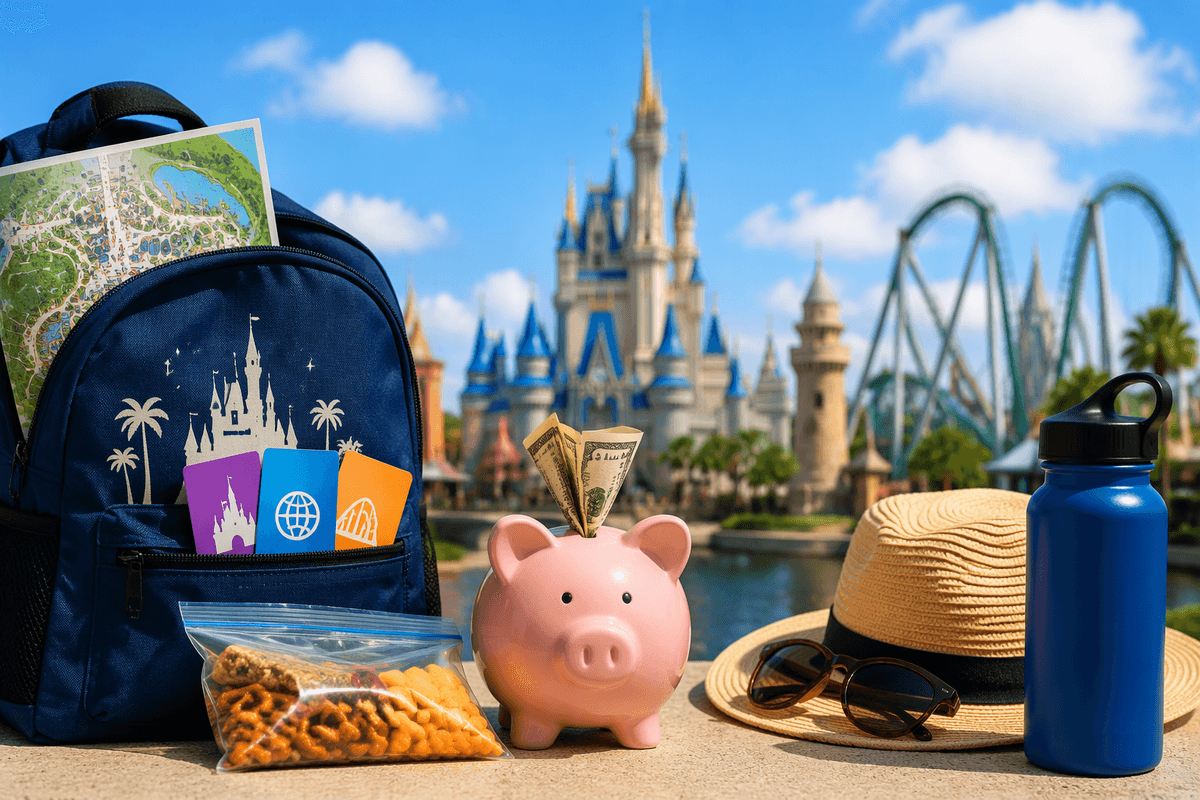
The first time we hit noon and the kids were suddenly “starving,” I realized food is where plans get expensive fast—because you’re buying convenience, not lunch. What worked was treating snacks like a ride strategy: we did a simple grocery delivery to the hotel (breakfast stuff, fruit, crackers) so we weren’t forced into a $20-per-person meal before we’d even done anything fun. The limitation: you’ll spend a few minutes each morning packing, and carrying food means you’re managing a bag through security and strollers.
Inside the parks, I stopped chasing “cheapest” and aimed for “predictable.” Quick-service meals are usually the best value, but the friction is timing—if you eat when everyone else eats, you lose an hour in lines. We ate early, shared one adult entrée with a kid when it made sense, and made free ice water our default; bottled drinks were the sneaky budget leak.
For souvenirs, we set one “yes” item per kid for the whole week, not per park day. It worked because it turned shopping into a decision, not a reflex—though it does mean saying “not today” a lot, especially near the exit.
Stay, park, and get around for less
The lodging decision is where I almost “saved” money the wrong way: a bargain hotel 25 minutes out looked great until I added daily parking, tolls, and the time cost of leaving before rope drop with two kids. Off-site can absolutely win, but only if you’re close enough that mid-day breaks are realistic.
If you’re doing mostly Disney, I’d price three buckets: value Disney resort (more convenience, less kitchen space), a nearby good-neighbor hotel (often cheaper, but watch resort fees), and a condo-style place with a bedroom door and laundry (sanity-saving, but you’ll commute). What doesn’t work is picking purely on nightly rate and then “accidentally” paying it back in transportation.
For getting around, a rental car is usually simplest for a week, but parking adds up fast at the parks and some hotels. Ride-share trims parking costs, yet the friction is surge pricing and slower pickups at closing. If your hotel advertises a shuttle, verify frequency—“daily” can still mean one inconvenient run.
A final checklist to spend less, stress less
The night before you buy anything, run this checklist once: lock your dates (week-level total cost), lock your park mix (one-park-per-day unless you can prove you’ll switch), then price tickets as “base” before adding a single upgrade. If the math is close, choose the option that reduces decisions on park mornings, even if it’s not the lowest line item.
Next, sanity-check logistics: can you realistically do an early start and a mid-day break from your hotel? If not, don’t “save” on a far commute and then pay it back in exhaustion meals and impulse add-ons.
Finally: pre-decide snacks, one souvenir per kid, and your max spend for skip-the-line. The takeaway I keep coming back to is that fewer on-the-fly choices costs less—and feels like more vacation.