Set the vibe — Must pace; Opt car; Skip overplanning
I almost overbooked Porto Alegre on paper—museum blocks, “must-eat” lists, a countryside day trip—until I looked at drive times and opening hours and realized the real constraint wasn’t money, it was momentum. With three full days, you can do city culture and a Gaúcho countryside hit, but only if you protect your mornings and don’t pretend you’ll hop across town at rush hour like it’s a grid.
The pacing that actually works is: one city day that stays mostly on foot + short rides, one parks-and-culture day with a flexible indoor backup, and one countryside day where you commit early and return before you’re wiped out. The temptation is to “just add” another neighborhood, but that’s where you lose an hour to traffic, arrive after lunch service, or hit a closed door on a Monday.
If you’re debating a rental car, treat it like a tool, not a lifestyle: it’s worth it for the countryside (freedom, fewer transfers), but it’s more hassle in the city (parking, one-way streets, stress). Overplanning sounds efficient; in Porto Alegre it often just locks you into avoidable friction.
Day 1 Centro+Guaíba — Must Mercado; Opt Orla; Skip malls
I started Day 1 with a small dilemma that sounds trivial until you’re standing in it: do you do Centro early while it’s sharp and functional, or save your energy for the waterfront? I chose Centro first because it “works” in the morning—stores are open, sidewalks feel busier (and therefore easier to read), and you’re less likely to get caught in that mid-afternoon lull where everything takes longer than it should.
The anchor was Mercado Público. It’s not a hidden gem, and that’s the point: it concentrates Porto Alegre’s everyday rhythm in one stop. What didn’t work as well is trying to turn it into a long meal if you’re sensitive to crowds or noise—by late morning, it can feel more like a transit hub than a leisurely lunch. I treated it as a targeted visit: coffee/snack, a few stalls, then out before decision fatigue kicked in.
From there, I kept the plan deliberately loose: either a short Centro wander (if you still have patience for streets and storefronts) or a clean pivot to the Guaíba. The Orla do Guaíba is the easiest “reset button” on the trip—flat, open, and forgiving if you’re running behind. The only real constraint is timing: sunset is the payoff, but it also pulls everyone out, so if you hate crowds, go earlier and accept a less dramatic sky.
I skipped malls entirely, not out of principle—just because they’re a time sink that looks efficient on paper and quietly steals your waterfront window. If the weather turns, my fallback was a museum stop instead of retreating indoors to shopping.
Day 2 Parks+culture — Must Farroupilha; Opt museums; Skip queues
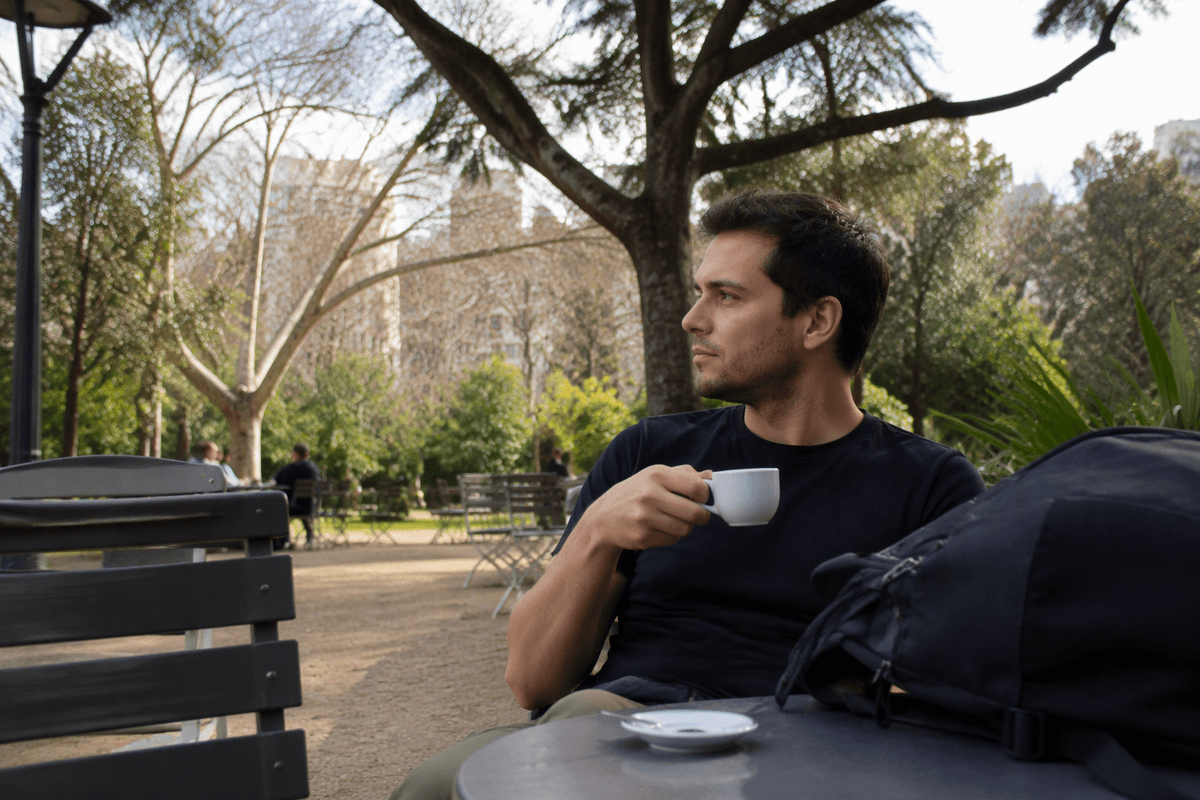
I hit Parque Farroupilha (Redenção) with a “do we really need a park today?” hesitation—because parks feel like filler when you only have three days. It wasn’t. What worked immediately was how efficiently it resets your pacing: you get shade, people-watching, and a low-stakes walk that doesn’t demand Portuguese or a checklist. The part that didn’t work was trying to treat it as a quick pass-through; it’s big enough that if you zigzag without a purpose, you burn time and still feel like you “missed” it. I kept it simple: one slow loop, a pause for coffee, then a clean decision point—museum or back to the street.
From there, I treated museums as optional, not mandatory, because Porto Alegre culture is great but timing is unforgiving. If you’re choosing one, pick based on your energy: art when you want quiet and air-conditioning, history when you’re still curious and patient. What I skipped were any attractions with obvious lines or bottleneck entrances—queues are where a half-day disappears. If a place looked busy, I’d pivot to a second-choice museum nearby or just extend the park + café rhythm, which kept the day satisfying without turning it into a logistics exercise.
By late afternoon, I avoided stacking “one last stop” in Centro. It sounds efficient, but that’s when closing times, traffic, and fatigue start compounding. Instead, I left a softer landing: a short neighborhood stroll or an early dinner, so Day 3’s countryside push didn’t start with me already behind.
Day 3 Countryside — Must Itapuã; Opt farm-lunch; Skip detours
On Day 3 I had the classic fork in the road: chase the Serra (wine country, cooler air, longer drive) or keep it tighter and actually enjoy the hours on the ground. I chose Parque Estadual de Itapuã because it’s the rare day trip that feels like “countryside” without turning into a windshield marathon—especially if you’re starting from Porto Alegre after breakfast. What worked well was committing to one main area inside the park rather than trying to “collect” every viewpoint; the distances add up, and the sun/heat can make a short walk feel longer than expected.
The friction point is that Itapuã rewards a little structure: you don’t want to arrive late and realize the access you assumed would be open isn’t, or that you’ve under-packed water and snacks. If you’re without a car, this is where the day gets less efficient—rideshares can be uneven for returns, and public transport stretches the timeline—so it’s better to pivot to a nearer nature option than to gamble on a complicated comeback.
If you can fit it, I liked the “farm-lunch” idea on the way back (simple, filling, and it breaks up the drive), but only if it doesn’t require a big detour. Detours look harmless on maps and then you’re watching daylight leak away, choosing between one more rural stop or getting back to the city before you’re tired and navigating in the dark.
Logistics — Must Uber+cash; Opt SIM; Skip late-night wander
I realized on the first Uber ride that Porto Alegre is “easy” until it isn’t: most hops are quick, but a driver canceling once you’re already outside can turn a tight museum window into a shrug. I treated Uber (or 99) as the default for city moves and saved the stress budget for Day 3, when a car actually buys you hours. If you’re going farther out—especially toward Itapuã—plan the return before you leave service range, because the problem isn’t getting there, it’s getting back without burning time negotiating rides.
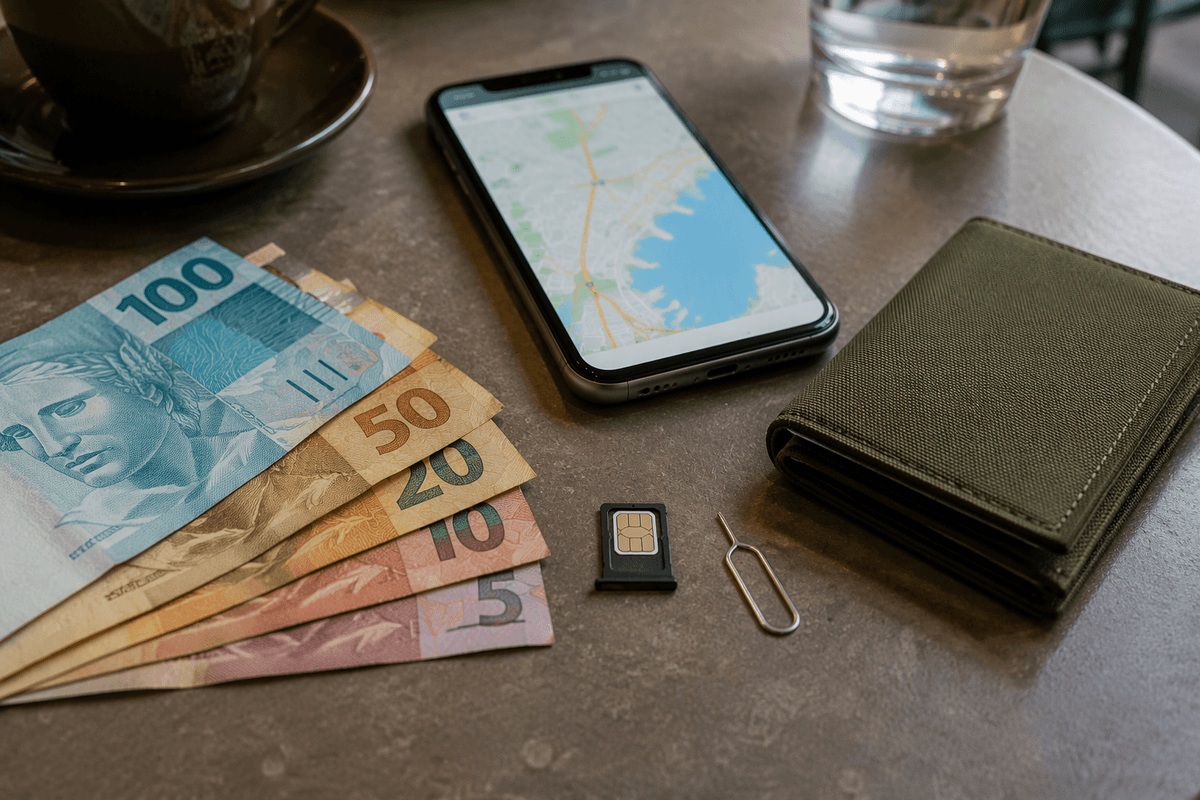
Cash mattered more than I expected. Cards worked plenty, but the small frictions stacked up—market stalls, quick snacks, and the “we can do it faster if it’s cash” moments. I kept a modest amount on me and topped up in daylight, not late. A local SIM (or a reliable eSIM) is optional, but it’s the kind of upgrade that stops the trip from feeling fragile: maps load instantly, ride-hails don’t spin, and you can reroute when rain or closing times force a pivot.
The one thing I didn’t try to optimize was late-night wandering. Even in nicer areas, the payoff drops fast when you’re tired and your route gets decision-heavy. I aimed for earlier dinners and straightforward rides back—less “authentic nightlife,” more waking up ready to use the next morning.
Wrap-up — Must reflect; Opt extend Serra; Skip rushed return
On the last morning, the temptation was to squeeze in “one more” Porto Alegre stop before heading out, but that’s where the trip can start feeling like a spreadsheet. What worked better was a quick, honest inventory: did the city feel unfinished, or did you already get the cultural pulse you came for? If you’re leaving with a little slack in your day, you’ll remember more than if you’re sprinting between check-out, traffic, and closing hours.
If you have an extra day, extending toward the Serra makes sense only if you can sleep there (or at least shift your timing) rather than forcing a long out-and-back that turns into pure transit. Otherwise, take the win: end unhurried, build in buffer for delays, and let the countryside day be the crescendo instead of a reason to rush the return.