Setting expectations: vast, wild, and weather-led
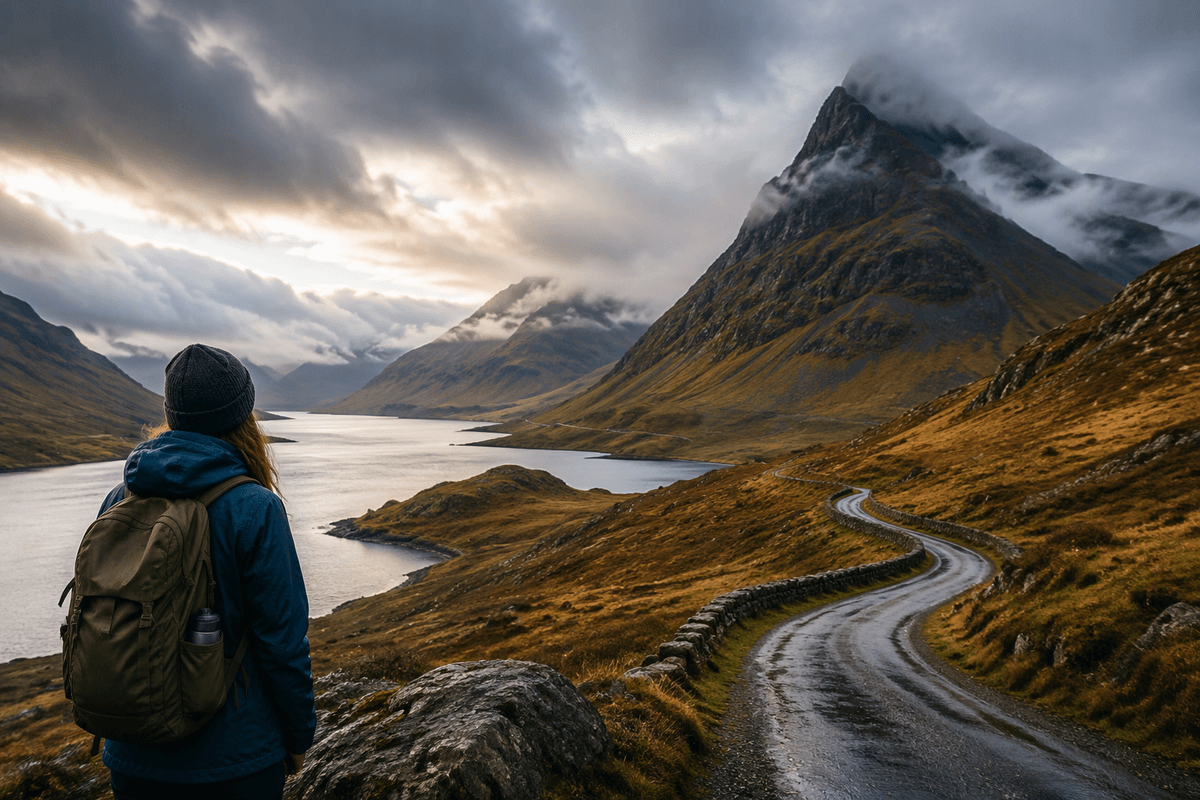
I realized the Highlands don’t “fit” into a neat day plan the way a city break does. On a map, places look close; on the road, a 60-mile stretch can take most of a morning once you factor in single-track pinch points, slow caravans, and the inevitable pull-offs for photos (or sheep). That wild feeling is real—and so is how quickly services thin out once you leave the A-roads.
Weather is the quiet decision-maker. A sunny forecast can turn into sideways rain on the next pass, and that changes what’s worth the drive. Build your days around a couple of must-dos, then keep a short list of “good in bad weather” backups (distilleries, short walks, viewpoints you can hit fast). If you’re only here 4–7 days, resist the urge to “do Skye plus the NC500”—you’ll mostly be watching the clock.
Getting around: car, tours, trains, and ferries
The first transport decision is whether you want control or convenience. A rental car buys you early starts, quick detours, and the ability to pivot when the forecast turns—but it also means committing to the reality of Highland driving: single-track etiquette, passing places, and days where you average far less than you expected. Parking can be the hidden time-sink (popular glens and trailheads fill early), and “just one more viewpoint” adds up when daylight is short.
Tours solve the stress and can be surprisingly efficient if you’re tight on days, but you’re trading flexibility for a fixed loop—and weather doesn’t care about your itinerary. Trains are great for getting out of the Central Belt without white-knuckle miles, yet they won’t deliver you to the scattered sights that make the Highlands feel wild. Ferries are the wild card: essential for some islands, totally worth it when it works, and frustrating when wind or capacity forces you to wait and reshuffle dinner plans.
Weather and daylight: packing and timing realities
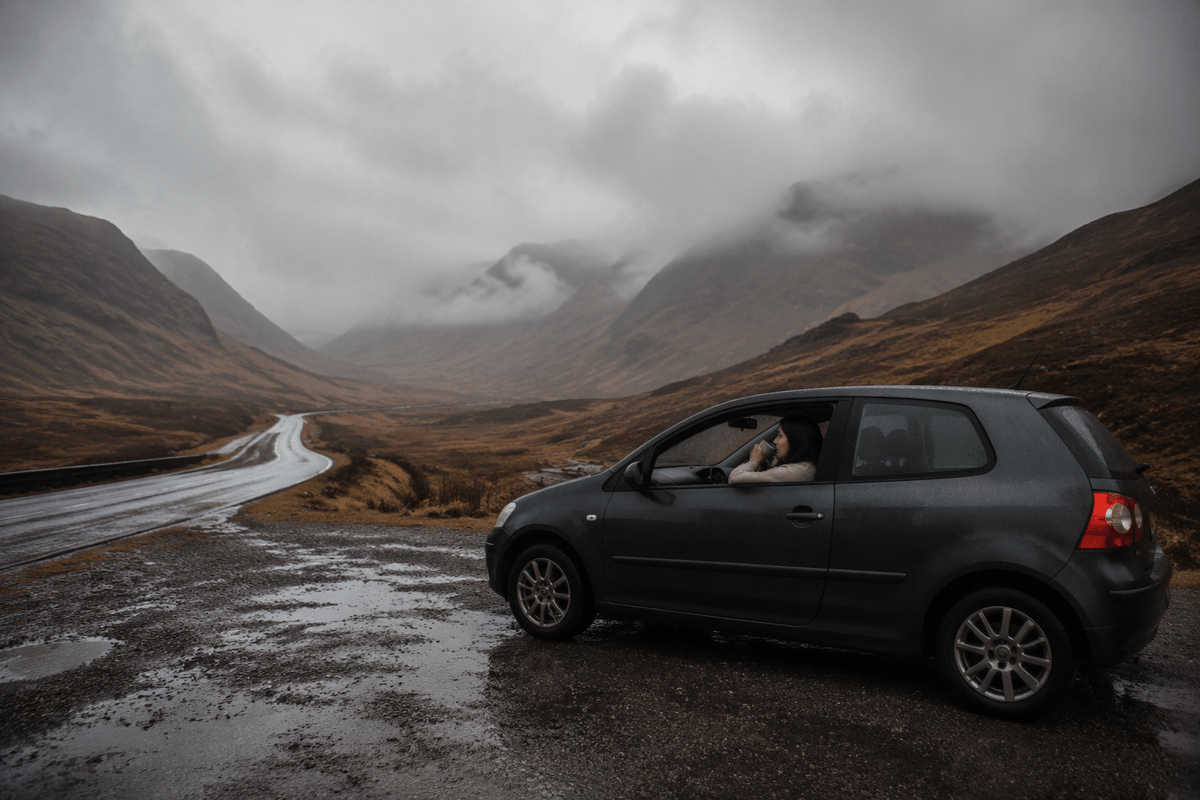
I felt the first real timing squeeze the moment a “quick” stop turned into a full weather reset: low cloud rolled in, the view vanished, and suddenly the right call was waiting it out in the car with a hot drink. That’s the Highlands rhythm—plan for change, not perfection. Pack like you’ll see four seasons in a day: a truly waterproof shell (not just water-resistant), layers you can vent while walking, and shoes that can handle wet grass and boggy edges without ruining your mood.
Daylight is the other limiter people underestimate. In shoulder seasons and winter, you can’t count on leisurely starts and long scenic drives—twilight comes early, and single-track roads after dark are slower, more tiring, and less forgiving. I started treating “arrive before dusk” as a non-negotiable, especially if the last stretch is rural. If you want big viewpoints, front-load them early, then keep afternoons flexible for short walks, distilleries, or a village wander that doesn’t collapse if the rain turns sideways.
Where to base: hubs, villages, and remoteness
The first time I tried to “base in one place and do day trips,” the friction showed up at breakfast: the drive that looked simple on the map quietly ate two hours before I’d even started walking. Bigger hubs like Fort William, Inverness, or Aviemore make the day-to-day easy—more dinner options, fuel, and a better chance of finding a spare room if weather forces a change—but you’ll share roads (and parking) with everyone else doing the same loop.
Smaller villages feel more like the Highlands you pictured, but they come with trade-offs you notice fast: limited evening food, fewer shops, and stretches where you should top up the tank because the next station isn’t “just ahead.” On a 4–7 day trip, I’d rather split bases than chase perfection: two nights in one area, two in the next, and keep the last night closer to Edinburgh or Glasgow so the return drive doesn’t turn into a stressful, rain-soaked sprint.
Costs and bookings: fuel, food, stays, attractions
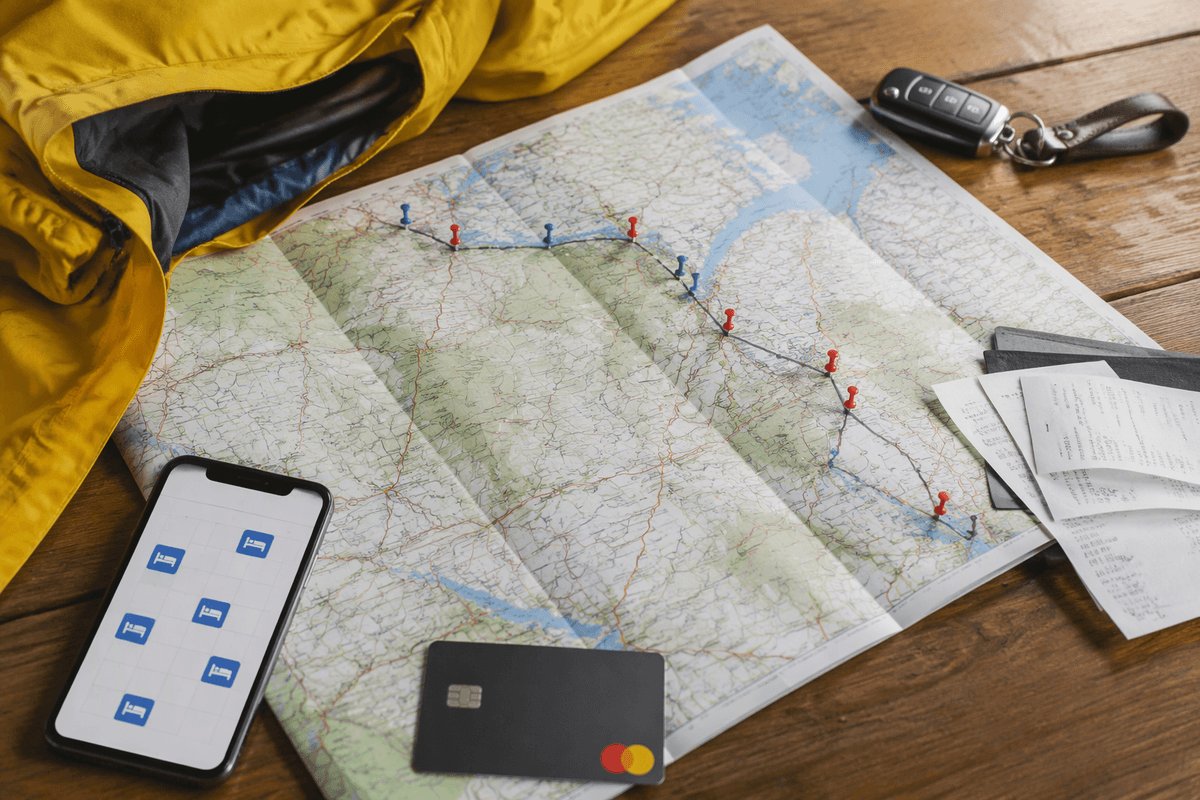
The first budget surprise for me wasn’t a big-ticket attraction—it was how quickly small, daily costs stack when your route is long and options are limited. Fuel is the obvious one: single-track detours, scenic “just to see it” spurs, and slow miles mean you’ll burn more than the map suggests. I started treating every larger town as a top-up point, because the cheaper stations aren’t always where you need them, and rolling in near-empty to a remote pump after hours is a stress you feel in your shoulders.
Food is similar: in hubs you can eat well without thinking, but in smaller villages you’re often choosing between booking a table early or settling for whatever’s left (sometimes the pub kitchen is done by 8). Stays are the biggest constraint—good mid-range rooms disappear fast in peak months, and “we’ll decide later” can mean a two-hour backtrack. For attractions, I’d pre-book the one or two anchors you’d be genuinely upset to miss, then keep the rest flexible so you’re not paying to do something indoors just because rain ruined your hike.
Nature, wildlife, and midges: comfort and safety
I learned quickly that “wildlife spotting” in the Highlands is less a guaranteed moment and more a series of small decisions: do you pull over safely, do you have a spare five minutes, and are you prepared for the weather to turn while you’re standing still? Deer are common enough to affect driving—especially at dawn and dusk—so I stopped treating low-light miles as “free time” and started treating them as higher-effort, slower stretches where a relaxed pace is the safety feature.
If you hit the wrong calm, damp evening, a beautiful lochside picnic becomes a sprint back to the car. Repellent helps, but the real trick is choosing your moments—windy viewpoints and open beaches can feel blissfully bug-free, while sheltered woods and still water can be miserable. I kept a head net in the glovebox and planned longer, slower outdoor stops for midday when possible; if the air went still, I’d swap to a short walk, a drive, or anything that didn’t require standing around “enjoying the view” as bait.
Leaving satisfied: pacing, flexibility, and trade-offs
The last mistake I see (and nearly made) is treating the Highlands like a checklist. The days that felt best weren’t the ones with the most pins—they were the ones with one “anchor” (a big glen, a ferry, a longer walk) and enough slack to absorb rain, full car parks, or a slow single-track crawl without turning snappy. If you’re pushing past dusk just to reach the next stop, you’re paying for scenery you can’t enjoy.
So pick your trade-off on purpose: Skye or Cairngorms, a couple of long drives or more time on foot, a remote village or easy dinners. Leave one half-day uncommitted and you’ll go home feeling like you saw the Highlands, not like you survived them.