Budapest’s Architectural Character
On a first walk through Budapest, the challenge is not finding beautiful buildings but deciding which places deserve your limited time. Grand boulevards, elaborate nineteenth-century façades, historic squares, and views across the Danube give the city an unmistakable sense of scale, yet some of its most appealing details lie away from the main landmarks. Residential streets reveal a quieter side of local life, while neighborhood markets, hidden courtyards, small cafés, and traditional shops offer glimpses of the city beyond its grand architectural backdrop.
Following a landmark-focused itinerary provides a useful introduction to Budapest’s history, but crowds, queues, and journeys between distant sights can leave little time for spontaneous discoveries. Exploring residential districts at a slower pace offers a different experience, although choosing worthwhile stops requires some planning. A balanced walking route combines one major attraction or historic district with nearby streets and local places, making it easier to appreciate both Budapest’s architectural grandeur and its everyday character without spending the entire day rushing from one sight to another.
Imperial Landmarks and Grand Boulevards
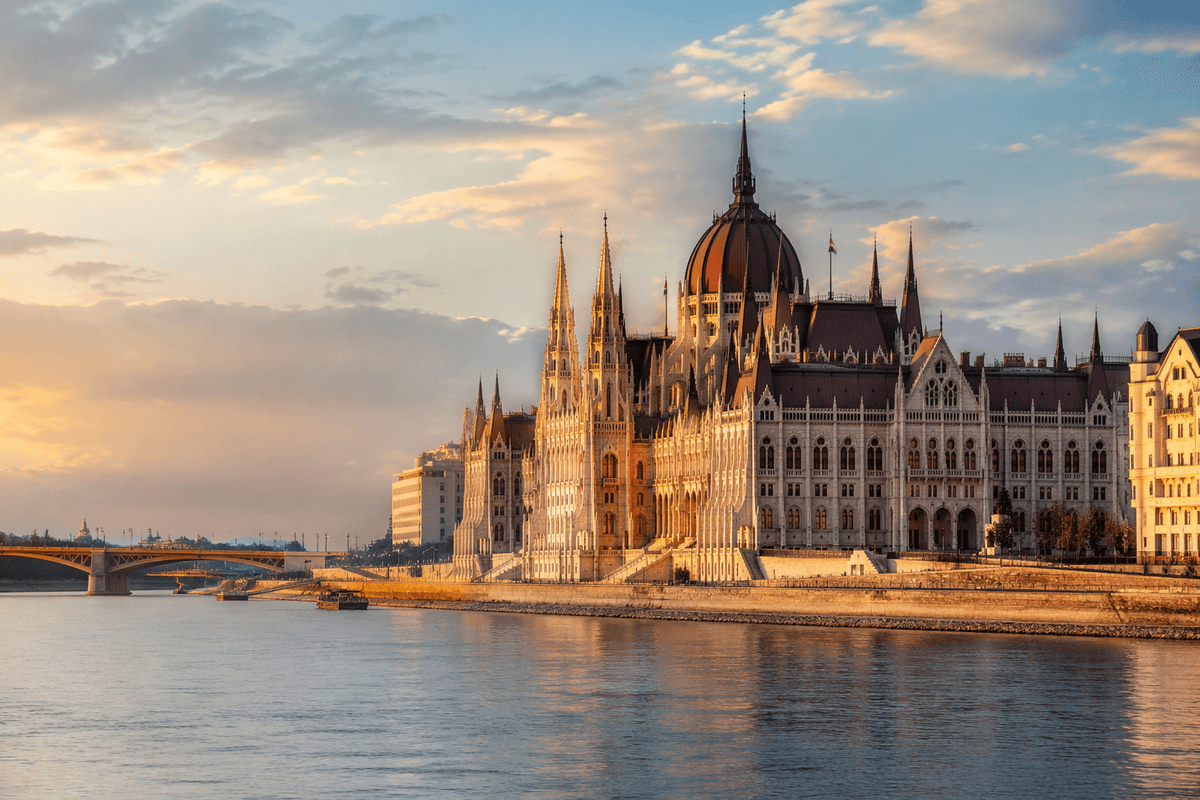
Start with the landmarks that explain Budapest’s imperial scale: Parliament, St. Stephen’s Basilica, and the Opera House sit within a manageable central zone, although visiting all three inside can consume much of a morning through timed entry and queues. A more efficient option is to admire Parliament from the Danube, then walk along Andrássy Avenue toward Heroes’ Square, using the Millennium Underground when tired or pressed for time. The boulevard is architecturally rewarding, but the distance is easy to underestimate, especially after several hours on foot. For a moderate-budget itinerary, choose one paid interior—Parliament is the most time-sensitive—and treat the others as exterior stops, leaving afternoon hours for a market or residential neighborhood.
Castle District Heritage
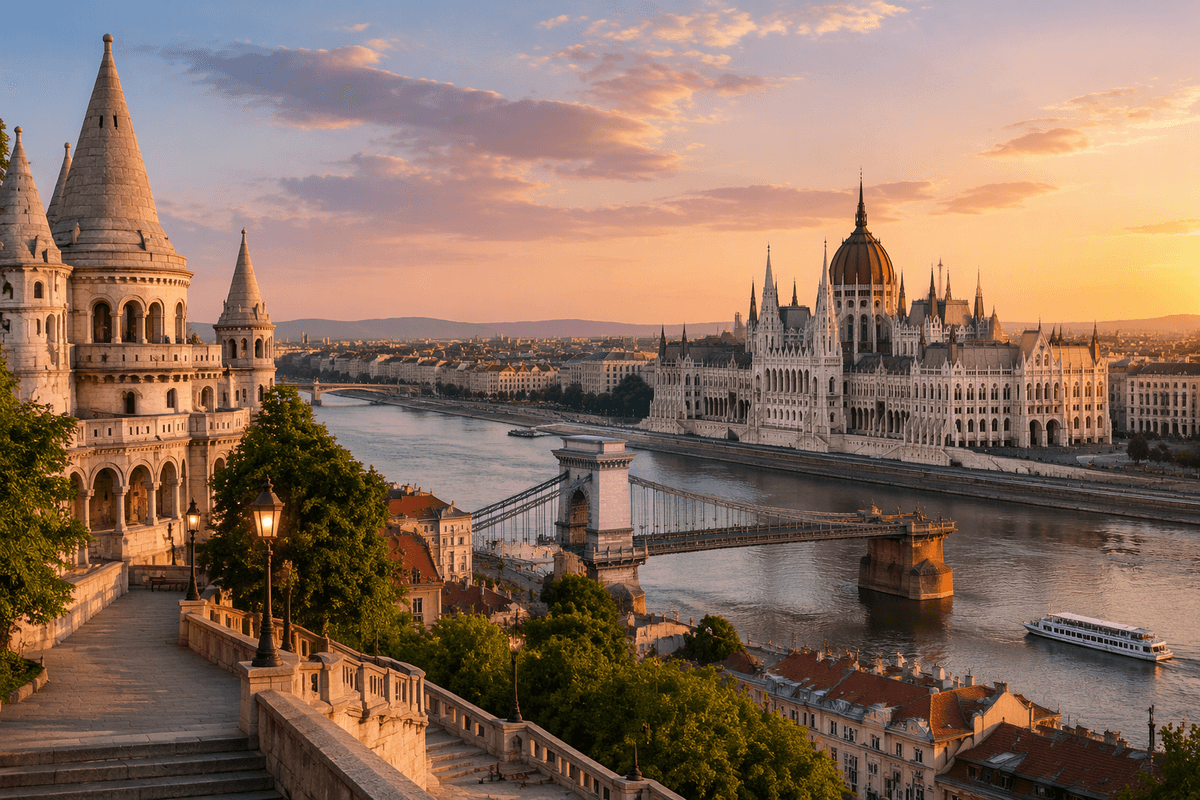
By the time you reach Buda Castle, the main decision is whether to treat the district as a concentrated landmark stop or a slower half-day walk. Matthias Church and Fisherman’s Bastion provide the clearest architectural payoff, while the palace courtyards and surrounding streets add historical depth without requiring another ticket. The funicular saves effort on the climb but can mean a queue and extra cost; walking up through the Castle District takes longer yet gives a better sense of the hillside setting.
Arrive early if you want photographs without dense crowds, particularly around Fisherman’s Bastion. Later in the day, the district remains worthwhile, but tired legs and limited interior opening hours can make a full museum visit feel rushed. For a two- or three-day trip, pair the castle with the riverside rather than another distant landmark, then descend on foot if energy allows. That keeps the route coherent and leaves room for a less-touristed neighborhood afterward.
Riverside Views and Historic Bridges
Descending from the Castle District toward the Danube creates one of Budapest’s most efficient architectural transitions: elevated views first, then the riverfront and Chain Bridge below. The panorama is strongest near sunset, but that timing also brings heavier pedestrian traffic and limited patience after a full day of walking. Cross the bridge toward Pest if energy allows; the short route links Buda’s historic hillside with Parliament’s broad riverside setting.
For a quieter alternative, continue south toward Liberty Bridge and the Central Market Hall, where the views remain impressive but the route feels less ceremonial. Walking the full riverfront is rewarding yet time-consuming, especially in cold or wet weather. A practical plan is to choose two bridges, use trams for the longer gaps, and reserve the remaining daylight for a neighborhood rather than collecting every viewpoint.
Neighborhoods, Markets, and Thermal Culture
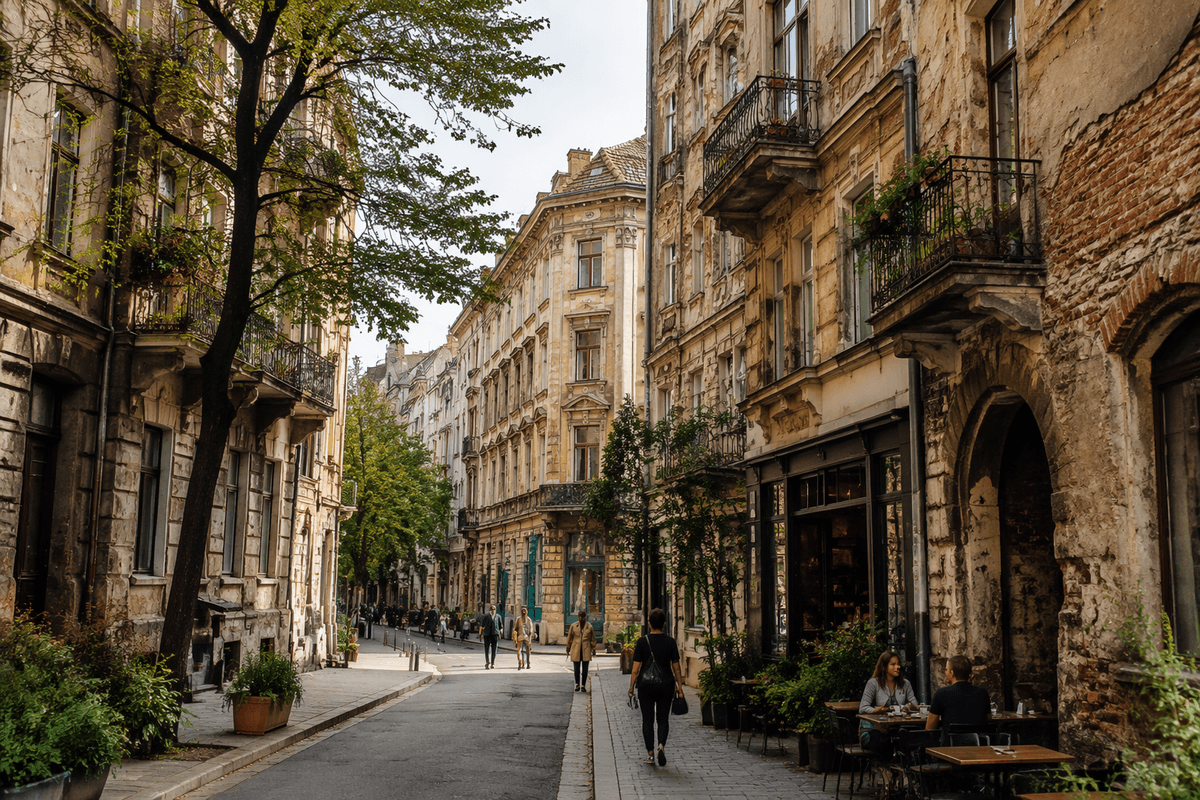
After the riverfront, the most useful shift is from monuments to lived-in Budapest. The Central Market Hall works well for a short architectural stop and inexpensive lunch, but it can feel crowded and commercial at midday. From there, continue toward the quieter streets of District VIII or the residential edges of the Jewish Quarter, where decaying façades, courtyards, and renovated cafés reveal a less polished side of the city. These areas reward wandering, although they are less efficient if you are trying to reach several major landmarks before closing time.
Thermal bathing adds another calculation. Széchenyi is the easiest choice for grand surroundings and a first visit, while smaller baths can feel calmer but require more route planning. Entry fees and changing time make a bath a genuine half-day activity, not a quick stop between museums. Schedule it when your legs need a slower afternoon, and choose one market or neighborhood nearby rather than crossing the city afterward.
Planning a More Rewarding Exploration
With only two or three days in Budapest, resist the temptation to fit every famous landmark into the itinerary. The city is more enjoyable when major sights are balanced with nearby markets, quiet courtyards, residential streets, and cafés where you can pause between visits. Grouping attractions by district reduces unnecessary travel, while checking opening hours and timed-entry requirements in advance helps prevent queues from disrupting the day. Leave part of the schedule open, too, so unexpected rain, tired legs, or an interesting street do not force you to abandon the rest of your plans. A morning spent exploring grand architecture might lead naturally into a neighborhood lunch and an unhurried afternoon walk, without requiring another cross-city journey. Budapest offers plenty to fill a short visit, but there is little value in seeing more places if every stop feels rushed. A thoughtful route leaves room to appreciate the details, experience local life, and enjoy the city at a pace that suits the trip.