Landing in Bangkok: what feels confusing at first
The first confusion hits before you even leave the airport: Bangkok feels like it has “a” train system, until you realize it’s several systems sitting next to each other. You’ll see signs for Airport Rail Link, then BTS, then MRT, and it’s not always obvious which one actually gets you close to your hotel without a long, sweaty walk or a second fare.
What works well is that the rail options dodge traffic immediately, especially if you land around late afternoon when roads start to lock up. What doesn’t is the last-mile gap: a station that looks near on a map can still mean 15 minutes outside in heat or rain, hauling luggage over uneven sidewalks. Add in the small frictions—needing cash for certain tickets, not knowing whether your “one stop” requires a transfer, and realizing some lines don’t share the same payment card—and it’s easy to waste an hour just choosing the first move.
Meet the transit modes: BTS, MRT, boats, buses
The first real decision usually happens at the station map: do you take the BTS Skytrain because it’s up high and simple, or the MRT because it dives under neighborhoods the BTS skips? BTS is the easiest “tourist default” for Sukhumvit and Silom areas, and it’s fast when roads are stuck—but interchanges can mean long walks inside stations, and during rush hour you may be standing shoulder-to-shoulder on the platform. MRT often feels slightly calmer and more direct for certain loops (and it’s great when rain turns street-level walking into a slog), but you still need to budget time for escalators, exits, and finding the right side of a big road once you surface.
Then there’s the Chao Phraya boats, which can be the most efficient way to connect riverside sights without paying “traffic time.” What works: you get a breeze and a clear route. What doesn’t: piers aren’t always where you want them, and the last-mile problem returns—sometimes with a confusing dock sign or a short walk that’s fine at noon and annoying after dark.
Buses are the cheapest on paper, but they’re the most fragile plan on a 3–6 day trip: routes can be hard to confirm, stops can be unclear, and traffic can erase any savings. I treat buses as a bonus option, not the backbone—especially if you’re trying to keep your days predictable.
Fares and tickets: tokens, Rabbit card, cash tips
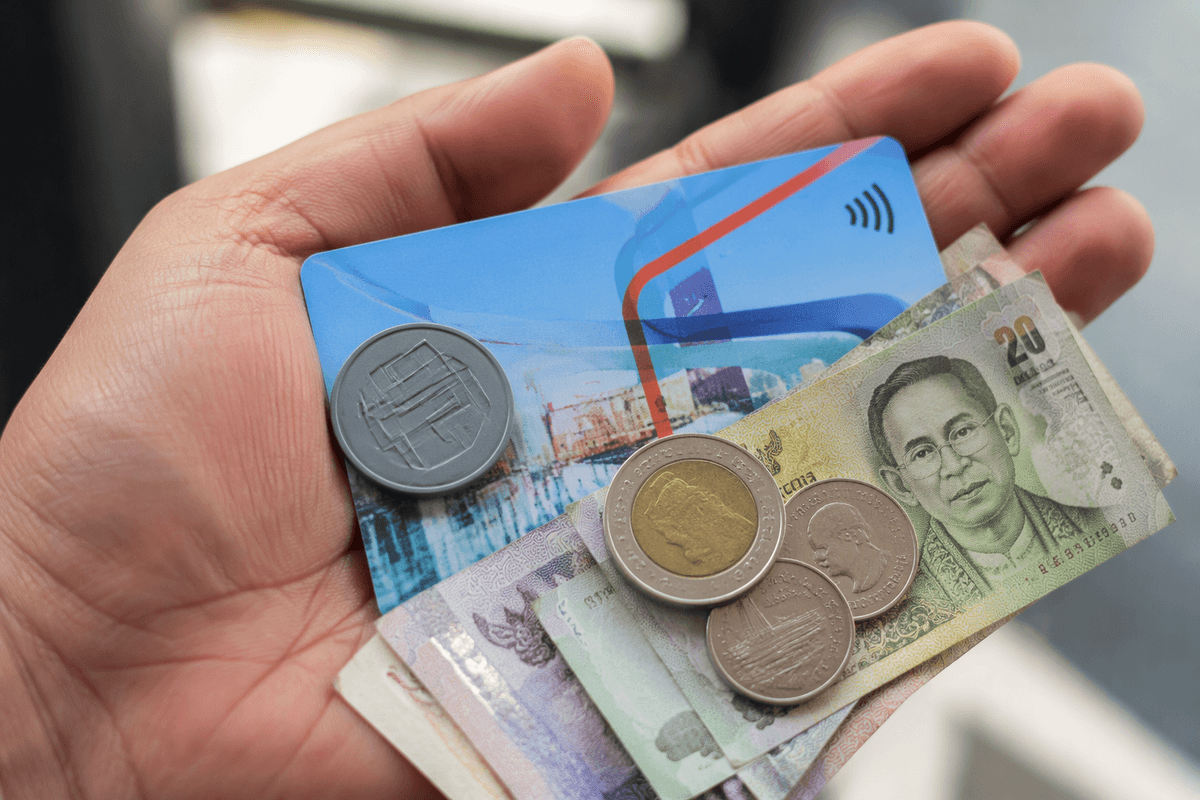
My first ticket purchase in Bangkok revealed an unexpected complication: what looked like one straightforward rail journey sometimes required two separate payments. BTS and MRT trains are both modern and easy to navigate, but their ticketing systems do not always work together as visitors might expect. During a busy commute, even a short wait at a ticket machine becomes frustrating, especially when trains are arriving full and there is little time to spare.
MRT single-journey tickets are easy to manage. Passengers purchase a token at the station and tap through the gates, making this a practical option for occasional trips without the need for a stored-value card. Regular BTS users may find a Rabbit card more convenient, particularly during busy periods when avoiding ticket queues saves time. However, the card requires an initial setup and occasional top-ups. More importantly, BTS and MRT payments should be treated separately rather than assuming one card covers every journey.
The same preparation helps when taking boats or buses, where having cash ready often makes boarding quicker. Even at rail stations, ticket machines may reject large banknotes, and crowded periods can mean longer queues than expected. Keeping smaller notes in a separate pocket and checking the remaining balance before setting out makes daily travel considerably easier. Waiting until the last available ride to sort out payment is an unnecessary complication, particularly during rush hour.
Planning routes: apps, interchanges, peak-hour realities
The first time I tried to “just follow the map,” I lost time in the transfer, not the ride. A route that looked clean on a phone turned into a long internal walk, a wrong-side-of-the-road exit, and then a last-mile gap that wasn’t obvious until I was standing in the humidity wondering why the pin still felt far away.
What works well is route-planning with intent: choose a rail spine (BTS or MRT) and only add a boat or bus if it genuinely saves time. I’d sanity-check any plan by looking at the interchange name and the exit number, not just the station—because big stations can hide ten-minute walks inside them, and the “closest” exit might be closed or under construction. Screenshots help when you pop out of cell service or your battery drops faster than you expect in the heat.
If you’re moving around 7:30–9:30 AM or 5:00–7:30 PM, budget extra trains passing by before you can board, and assume slower escalators and crowded platforms. On a short trip, shifting one attraction earlier can be cheaper than any ticket.
Staying safe and polite: scams, rules, crowded stations
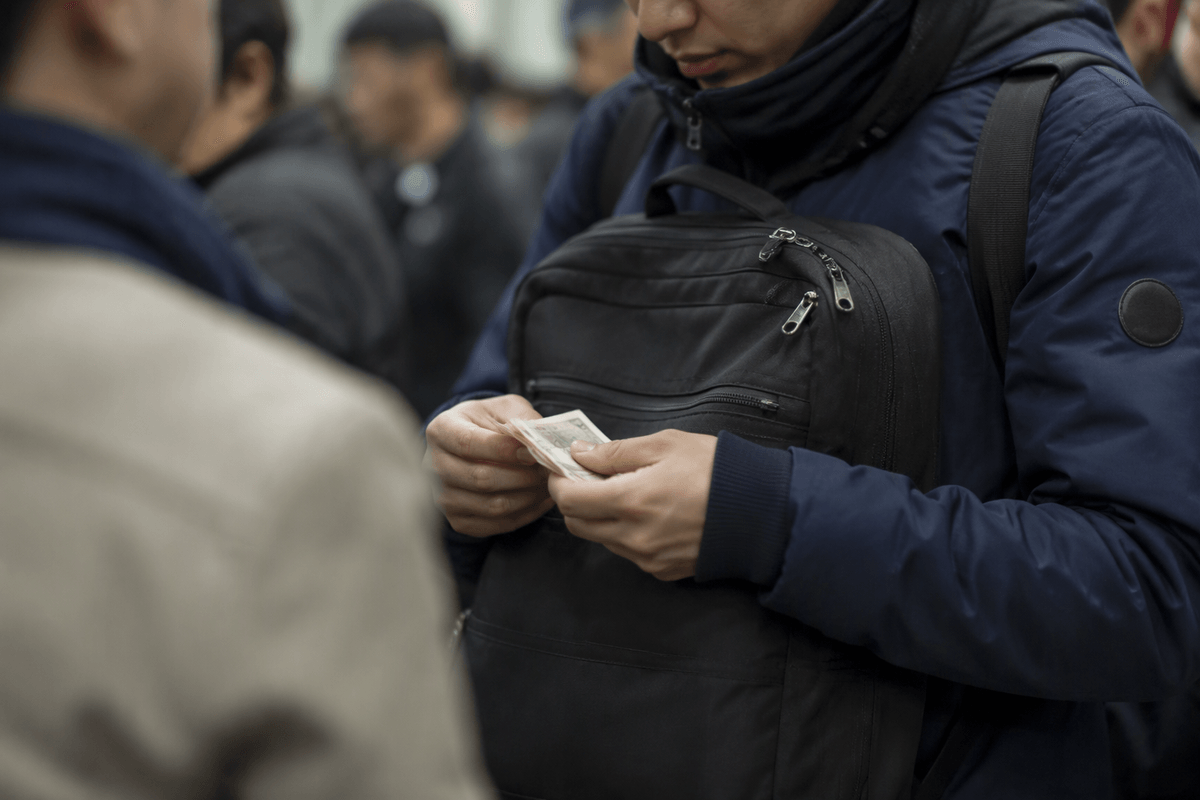
The moment I felt most “new” on Bangkok transit wasn’t buying the ticket—it was hesitating at the gates while people flowed around me like water. In crowded BTS and MRT stations, the polite move is also the practical one: step aside before you stop to check your phone, let riders exit first, and don’t block the escalator with luggage. It sounds basic, but at peak hour a small pause can turn into a pile-up behind you.
Safety is mostly about avoiding the low-effort traps around stations and piers. If someone tries to “help” you buy a ticket, redirect you to a different entrance, or insists a boat line is closed and you should take a private option, treat it as a yellow flag—especially when you’re tired or it’s raining and you’re tempted to take the easiest-sounding solution. Inside the system, keep your bag zipped and in front in tight crowds, and don’t flash a thick wallet when you’re just trying to find small bills.
The rule I follow: when things feel rushed, slow down by one step—not by one detour. Confirm the station name, the direction, and the exit number before you tap in, because fixing a mistake later costs more time (and sometimes a second fare) than taking 20 seconds to double-check while you’re still outside the gates.
Putting it together: choosing fast, cheap, or comfortable
The choice usually gets real when you’re staring at a map with two pins that look “close,” and you realize one route is three transfers with long station walks, while the other is one clean ride plus a 12-minute outdoor walk that will feel longer in midday heat. If you’re optimizing for speed, build your day around a BTS or MRT “spine,” and treat boats as a time-saver only when you’re already near a pier or heading to riverside sights. The fastest on paper can become slower at 8:30 AM when two full trains pass before you can squeeze on.
If you’re optimizing for cost, rail still wins on predictability; buses are cheaper, but they’re where short trips get fragile—one traffic jam and your savings disappear into lost hours. For comfort (or rain), the MRT often feels like the calmer default, while BTS can be hotter on platforms and more crowded at interchange stations. Boats are comfortable in their own way, but only if you accept the trade-off: the pier gets you “near,” not “there,” and you may still need a short walk or a quick last-mile ride.
My practical takeaway: pick one primary system per day, top up before you’re low, and plan your attractions so you’re not forced into peak-hour cross-city moves. Bangkok rewards simple routing more than clever routing.